
Quick answer
A well-structured Kamakura day trip from Tokyo itinerary covers Tsurugaoka Hachimangu Shrine (free entry, open 06:00–20:00 daily), Kotoku-in's Great Buddha, Hase-dera Temple, and the bamboo paths of Hokoku-ji, with 6–8 hours on the ground. Take the JR Yokosuka Line from Tokyo or Shinjuku to Kamakura Station (55–60 minutes), start at Tsurugaoka Hachimangu between 06:00–09:00 to beat crowds, then work south through Hase before returning via Kita-Kamakura's Zen temples.
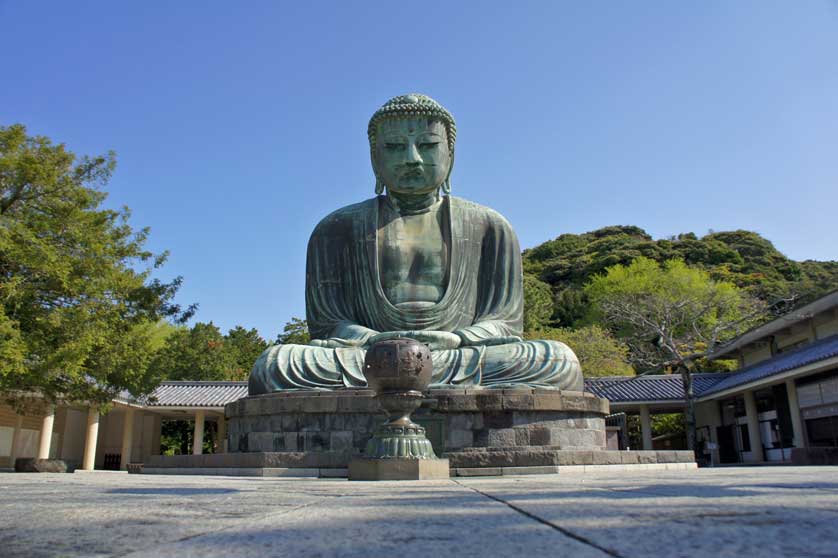
Kamakura became Japan's political center in 1185 when Minamoto no Yoritomo established the shogunate here, leaving a concentration of Zen temples and Shinto shrines within three square kilometers. The city's layout follows medieval pilgrimage routes: central Kamakura radiates from Tsurugaoka Hachimangu's 61-step approach, while western Hase preserves cliff-carved caves and coastal prayer halls. A practical Kamakura day trip from Tokyo follows the terrain, not the guidebook sequence. Tsurugaoka Hachimangu opens at 06:00, and early arrival means photographing the vermillion shrine halls without tour groups blocking the upper precincts. The main grounds charge no entrance fee, though the small treasure museum inside costs ¥200. From the shrine, Komachi-dori's shopping lane runs parallel to the station—useful for a late lunch, but a bottleneck mid-morning. The Great Buddha at Kotoku-in sits 2.5 kilometers southwest in Hase, reachable by the Enoden tram (¥220, 5 minutes) or a 30-minute walk through residential blocks. Most visitors spend 20–30 minutes circling the 13.35-meter bronze figure and paying the optional ¥50 to climb inside its hollow core. Hase-dera Temple crowns the hill above, its multi-level gardens and eleven-headed Kannon statue requiring 45–60 minutes. Both sites stay open until 17:00–17:30 depending on season. Kita-Kamakura's Zen complexes—Engaku-ji, Kencho-ji, and bamboo-fringed Hokoku-ji—anchor the northern end of the route. These temples operate on near-identical schedules (08:00 or 08:30 openings, 16:00–16:30 closures) and sit within 15 minutes' walk of Kita-Kamakura Station, one stop before the main Kamakura hub. Sequencing them as your final cluster before catching the return train eliminates backtracking. Hokoku-ji's bamboo grove charges ¥300 entry, plus ¥600 if you take matcha tea in the garden pavilion. Train frequency dictates your pace. The JR Yokosuka Line runs four times per hour during the day; the slower Shonan-Shinjuku Line offers direct connections from Shinjuku and Ikebukuro. Both accept the JR Pass and Suica cards. Reserve energy for Kamakura's slopes—the city climbs from sea level to 150-meter ridges, and temple staircases add 50–100 steps per site.
“Kamakura became Japan's political center in 1185, leaving a concentration of Zen temples and Shinto shrines within three square kilometers.”
Recommended Kamakura Day Trip From Tokyo Itinerary
This itinerary suits first-time visitors wanting to experience Kamakura's spiritual and coastal character in one day. Plan for 8–9 hours from Tokyo departure to return.
Tsurugaoka Hachimangū Arrival
Start at the main shrine complex before crowds build. Walk the central approach, visit the Main Hall, and climb the 61 steps to the upper shrine—allow 60–75 minutes total.
Komachi-dōri Exploration
Browse this pedestrian shopping street connecting the station to Hachimangū. Stop for a quick snack or green tea; 30–40 minutes is enough.
Hase-dera Temple Visit
Take the Enoden line west to Hase station (10 minutes). Explore the temple grounds, see the Kannon statue, and enjoy hillside views over Kamakura—budget 60–90 minutes.
Great Buddha at Kōtoku-in
Walk 7 minutes from Hase-dera to see the iconic bronze Daibutsu. The grounds are compact; 30 minutes covers viewing and photos.
Yuigahama Beach Break
Head to the nearby beach for a shoreline walk or rest. The relaxed pace and ocean air provide a natural contrast to temple visits—spend 45–60 minutes.
Zeniarai Benzaiten Shrine
Return toward central Kamakura to visit this cave shrine where locals wash coins for prosperity. The tucked-away location and ritual offer a quieter cultural moment; allow 30–40 minutes.
Kamakura Station Return
Make your way back to the station area. Browse any remaining shops or pick up omiyage before catching your train to Tokyo.
Best Time for Your Kamakura Day Trip From Tokyo Itinerary
The best arrival window is 06:00–09:00, which allows visitors to experience the area before the heaviest daytime crowds arrive. Prioritizing early morning hours ensures a quieter atmosphere for exploring Kamakura's historical sites.
Weekday mornings
Minimal—
Mid-week visits significantly reduce congestion at major shrines and temples.
Spring (March–May)
HighMild, 12°C–20°C
Cherry blossoms attract large crowds, especially on weekends.
Summer (June–August)
ModerateHumid, 23°C–30°C
Hydrangea season in June draws many visitors despite the heat.
Autumn (October–November)
HighCool, 15°C–22°C
Clearer weather and autumn foliage make this a popular time for walking tours.
Verdict: The best time for a visit is Tuesday to Thursday between 06:00 and 09:00 during the months of April or October.
Transportation for Your Kamakura Day Trip From Tokyo Itinerary
Kamakura is located in Kanagawa Prefecture, approximately 50 kilometers southwest of central Tokyo. The most efficient way to reach the area is via direct rail lines connecting major Tokyo transit hubs to Kamakura Station.
JR Yokosuka Line from Tokyo Station to Kamakura Station
JR Shonan-Shinjuku Line from Shinjuku Station to Kamakura Station
Enoden Line from Kamakura Station to local stops
From Kamakura Station to local landmarks
Entrance Fees and Costs for Kamakura Day Trip From Tokyo Itinerary
Admission costs in Kamakura vary depending on whether you are visiting public shrine grounds or specific temple precincts. While many major sites are accessible at no cost, others charge entry fees to maintain their gardens and historical buildings.
Most visitors spend between 300 JPY and 500 JPY per temple, with the total cost depending on the number of specific sites included in your itinerary.
Operating Hours for Kamakura Day Trip From Tokyo Itinerary
Tsurugaoka Hachimangu is open daily to visitors.
| Monday | 06:00–20:00 | |
|---|---|---|
| Tuesday | 06:00–20:00 | |
| Wednesday | 06:00–20:00 | |
| Thursday | 06:00–20:00 | |
| Friday | 06:00–20:00 | |
| Saturday | 06:00–20:00 | |
| Sunday | 06:00–20:00 |
Nearby Sights for Your Kamakura Day Trip From Tokyo Itinerary
Complement your visit by exploring these sites, all located within a reasonable distance from the main shrine grounds. These locations offer historical context and scenic variety to round out your day trip.
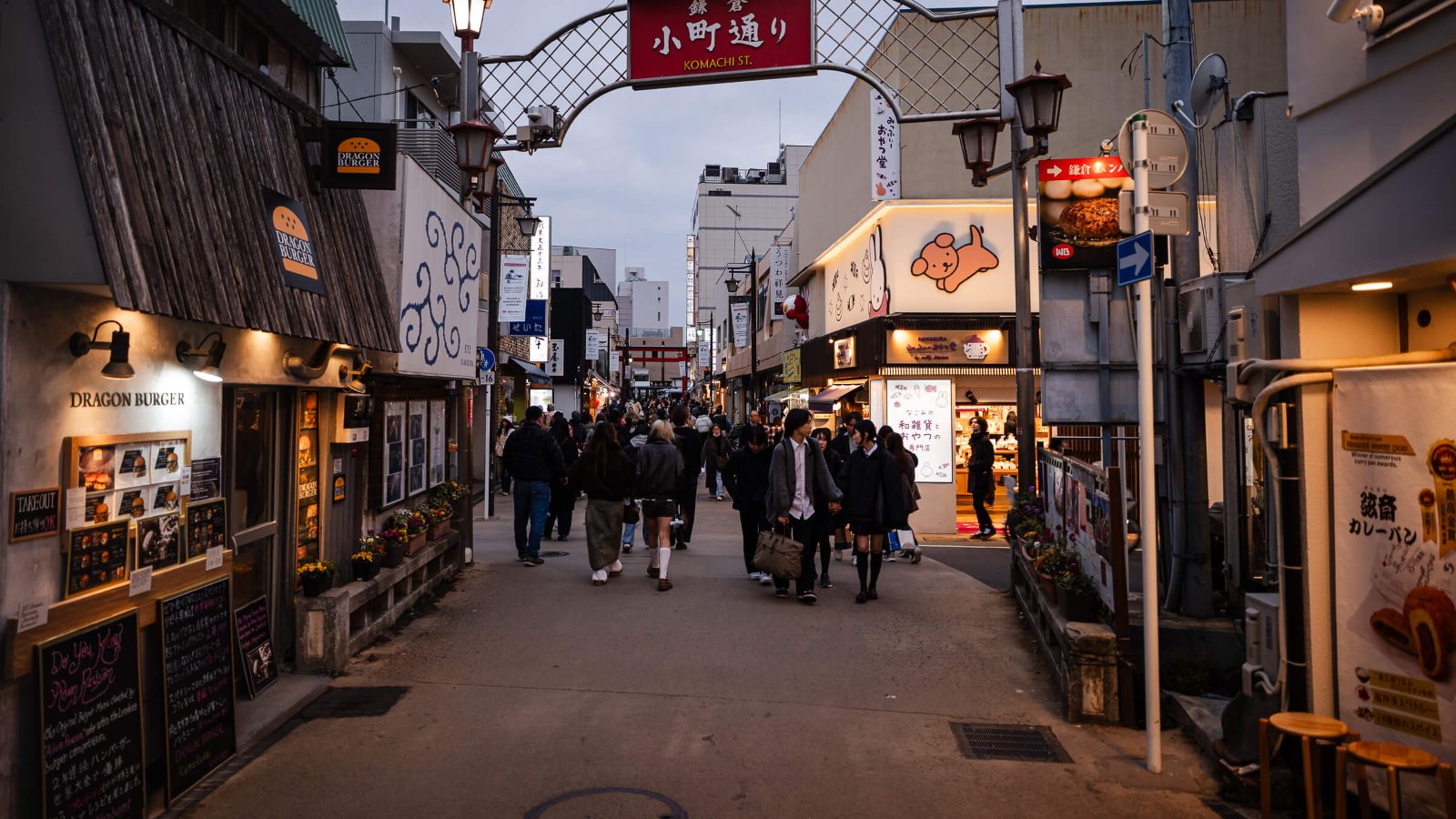
Komachi-dori Street
This vibrant shopping street serves as the main approach to the shrine and offers numerous local food stalls and craft shops.
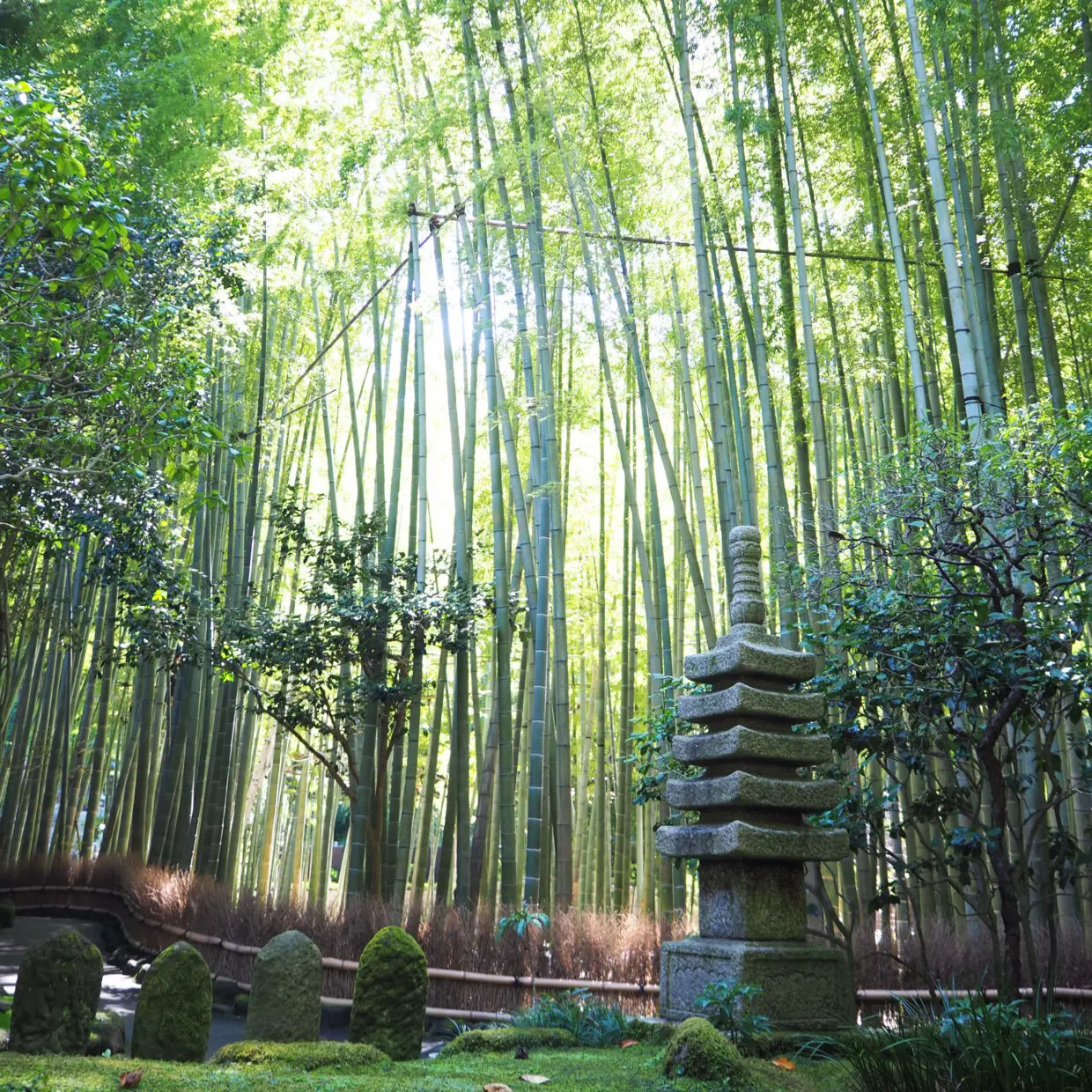
Hokokuji Temple
Known for its serene bamboo grove, this temple provides a quiet contrast to the activity at the main shrine.
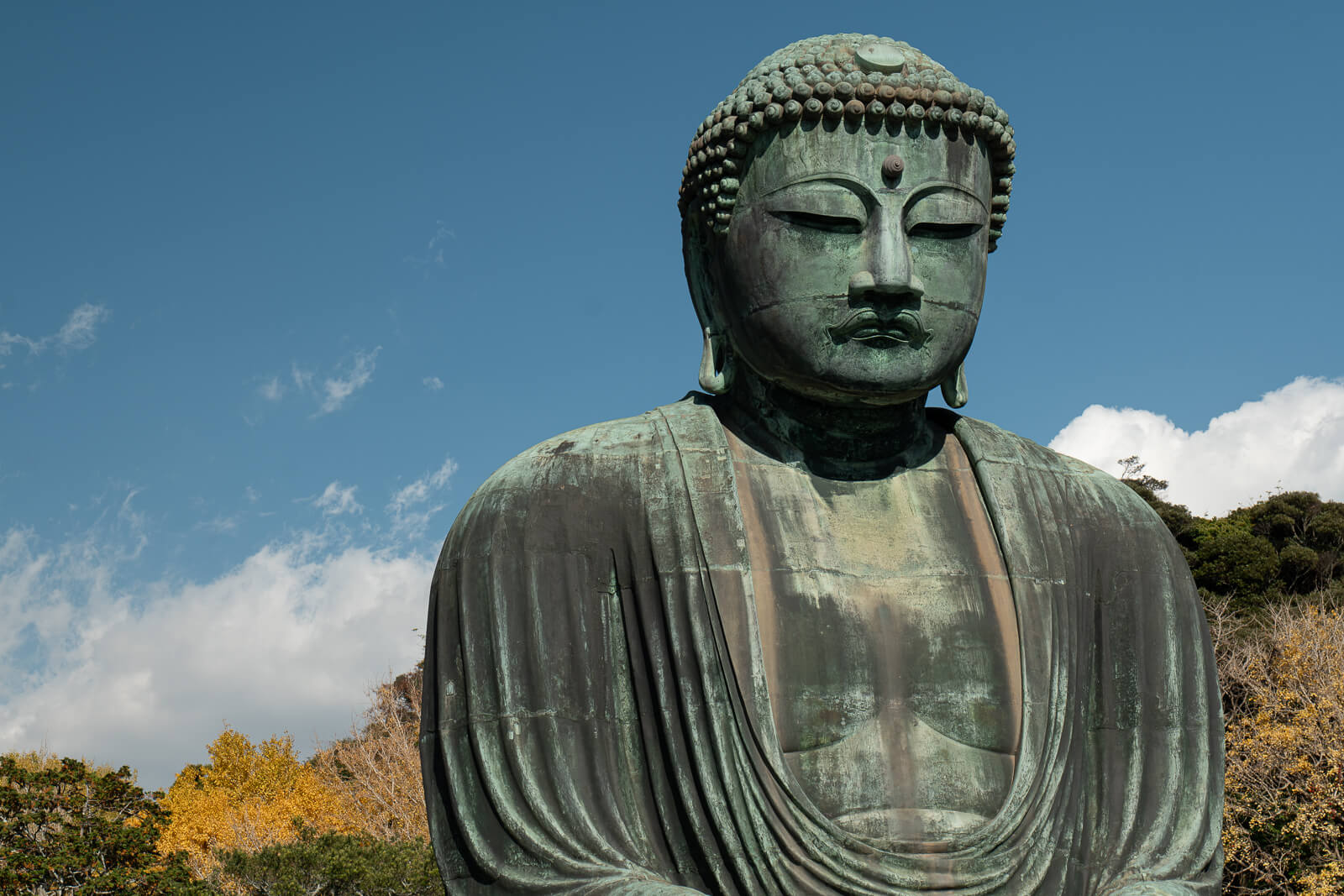
Kotoku-in Temple
Home to the Great Buddha of Kamakura, this site is a logical next stop to complete a comprehensive historical tour of the area.
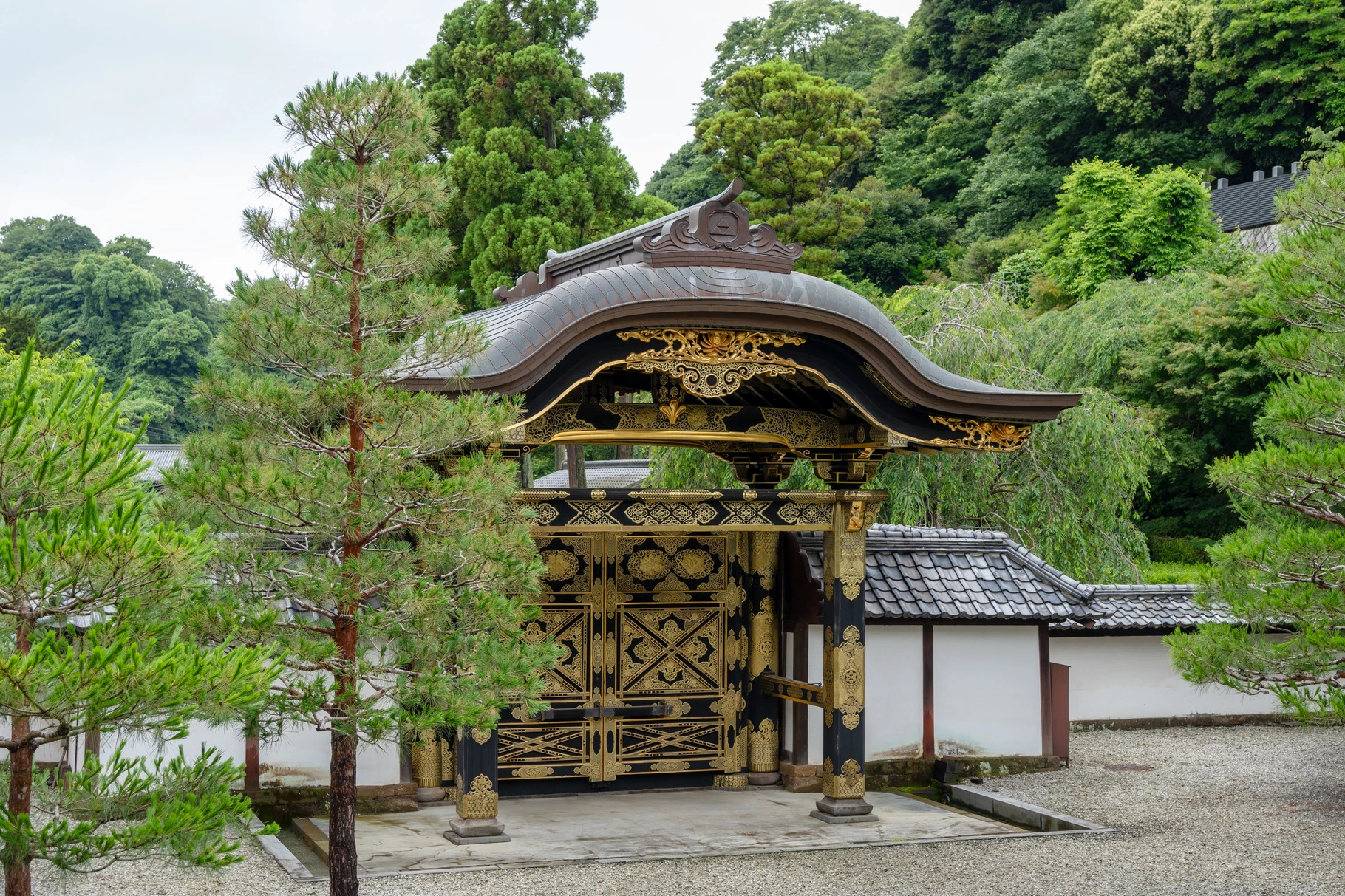
Kencho-ji Temple
As the oldest Zen training monastery in Japan, it pairs well with your visit if you are interested in monastic architecture and hillside trails.
Check availability
Common Questions About Kamakura Day Trip Itineraries
Everything you need to know about kamakura day trip from tokyo itinerary