9 hr 30 min
Kamakura & Enoshima Day Trip from Tokyo
- Expert local guide
- Small group
- Skip-the-line access
- Free cancellation
Kamakura Day Trip From Tokyo — Temples, Coastline & the Great Buddha
One hour south by train, eight centuries of shogunate history
Compare fares, pick the fit — all bookings are mobile-voucher and eligible for free cancellation where shown.
9 hr 30 min
10 hr
8 hr
| Experience | From | Duration | Rating | Skip-the-line | Guide | Small group | Price | |
|---|---|---|---|---|---|---|---|---|
|
Guided Experience
Most popular
Kamakura & Enoshima Day Trip from Tokyo
|
Tokyo | 9 hr 30 min | ★ 4.6 | ✓ | ✓ | ✓ | €50 | Book → |
|
Guided Experience
Kamakura & Enoshima Day Trip from Tokyo with Enoden Train
|
Tokyo | 10 hr | ★ 4.6 | ✓ | ✓ | ✓ | €51 | Book → |
|
Guided Experience
Kamakura Heritage & Coastal Temples Day Tour from Tokyo
|
Tokyo | 8 hr | ★ 4.9 | ✓ | ✓ | ✓ | €216 | Book → |
Worth it for culture seekers and history buffs
A kamakura day trip from tokyo centered on the Great Buddha delivers exceptional value for anyone interested in Japan's medieval heritage. The 300 JPY entrance fee grants access to one of only three open-air National Treasure Buddha statues in Japan—a 13.35-meter bronze figure that has withstood tsunamis, earthquakes, and seven centuries of coastal weather. Unlike enclosed temple Buddhas, the Daibutsu sits directly under the sky, creating an unusual sense of scale and vulnerability that photographs rarely capture. The compact temple grounds take 30–45 minutes to explore, which some interpret as 'too quick,' but this brevity actually complements a broader Kamakura itinerary covering Hasedera, Tsurugaoka Hachimangu, and Komachi-dori shopping street. For visitors seeking immersive meditation halls or extensive gardens, Kotoku-in will feel sparse. But for those valuing cultural significance over sprawling grounds, witnessing a surviving relic of Kamakura-period Buddhism—one that commoners and samurai alike revered—justifies both the modest admission and the train journey from central Tokyo.
Bottom line: If your kamakura day trip from tokyo includes multiple sites, the Great Buddha earns its place as a cultural anchor worth the detour.
Hand-picked experiences loved by thousands of travelers
8 hours
Free Cancellation
Journey through ancient temples, meet the Great Buddha, and explore coastal Japan with an expert guide
10 hours
Free Cancellation
Discover ancient temples, serene bamboo groves, vibrant Chinatown, and Japan's famous ramen culture
10 hours
Free Cancellation
Journey through ancient temples, coastal beauty, and Japan's iconic Great Buddha with your own guide
10 hours
Free Cancellation
Discover ancient temples, a massive bronze Buddha, and island coastline on this full-day private excursion
10 - 11 hours
Free Cancellation
Experience historic temples, coastal island charm, and urban energy on this fully private, customizable adventure.
10 hours
Free Cancellation
Explore historic temples, lakeside shrines, and mountain vistas on this fully customizable private tour.
10 hours
Free Cancellation
Personalized full-day Kamakura adventure with temple, shrine, or coastal itinerary choices—pickup included
8 hours
Free Cancellation
Journey by train to explore ancient temples, samurai shrines, and a scenic island with Mount Fuji views
Walk from the station to Kotoku-in
Explore the main statue and grounds
Visit the nearby garden and temple
Explore historic streets and shops
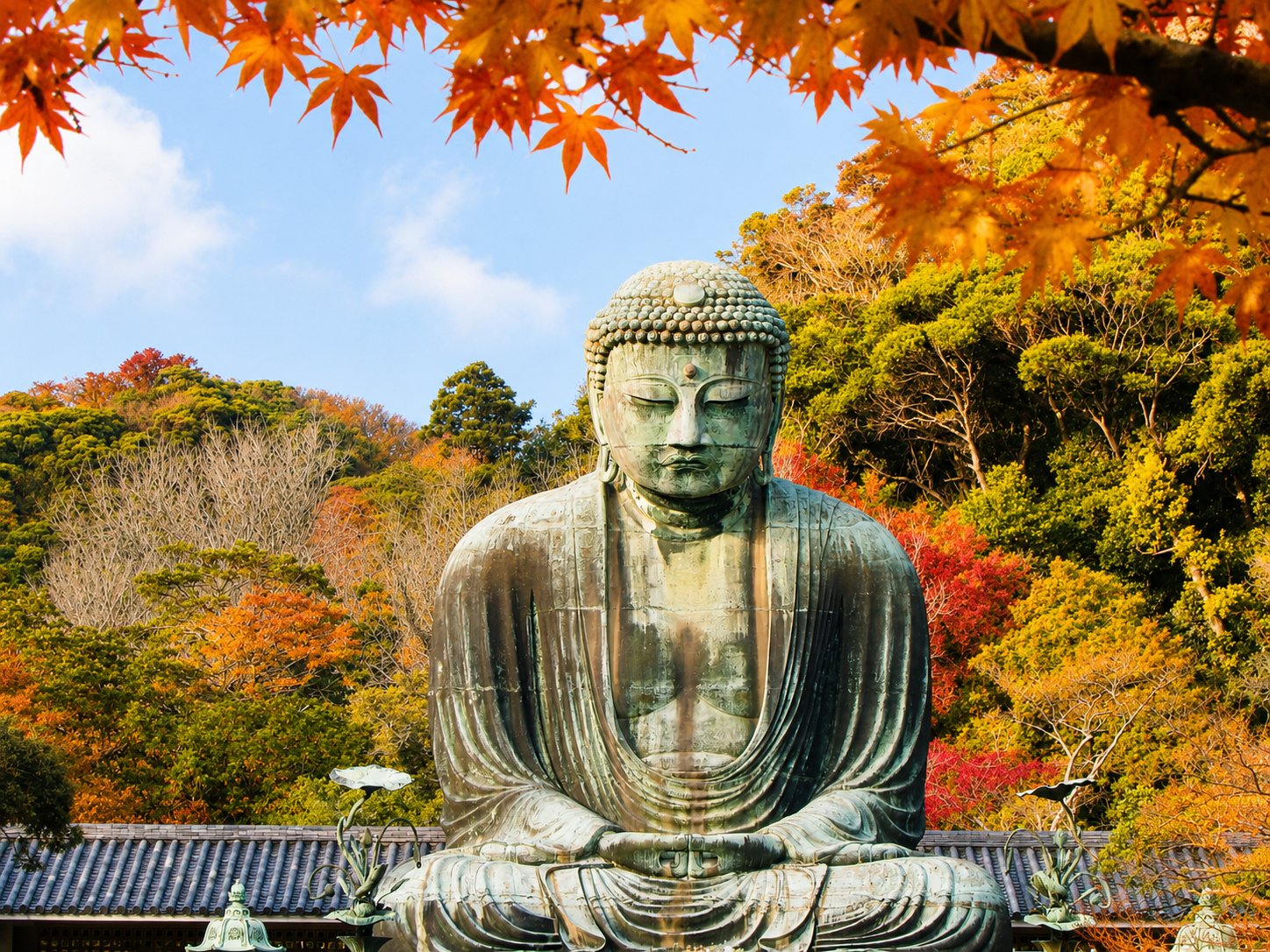
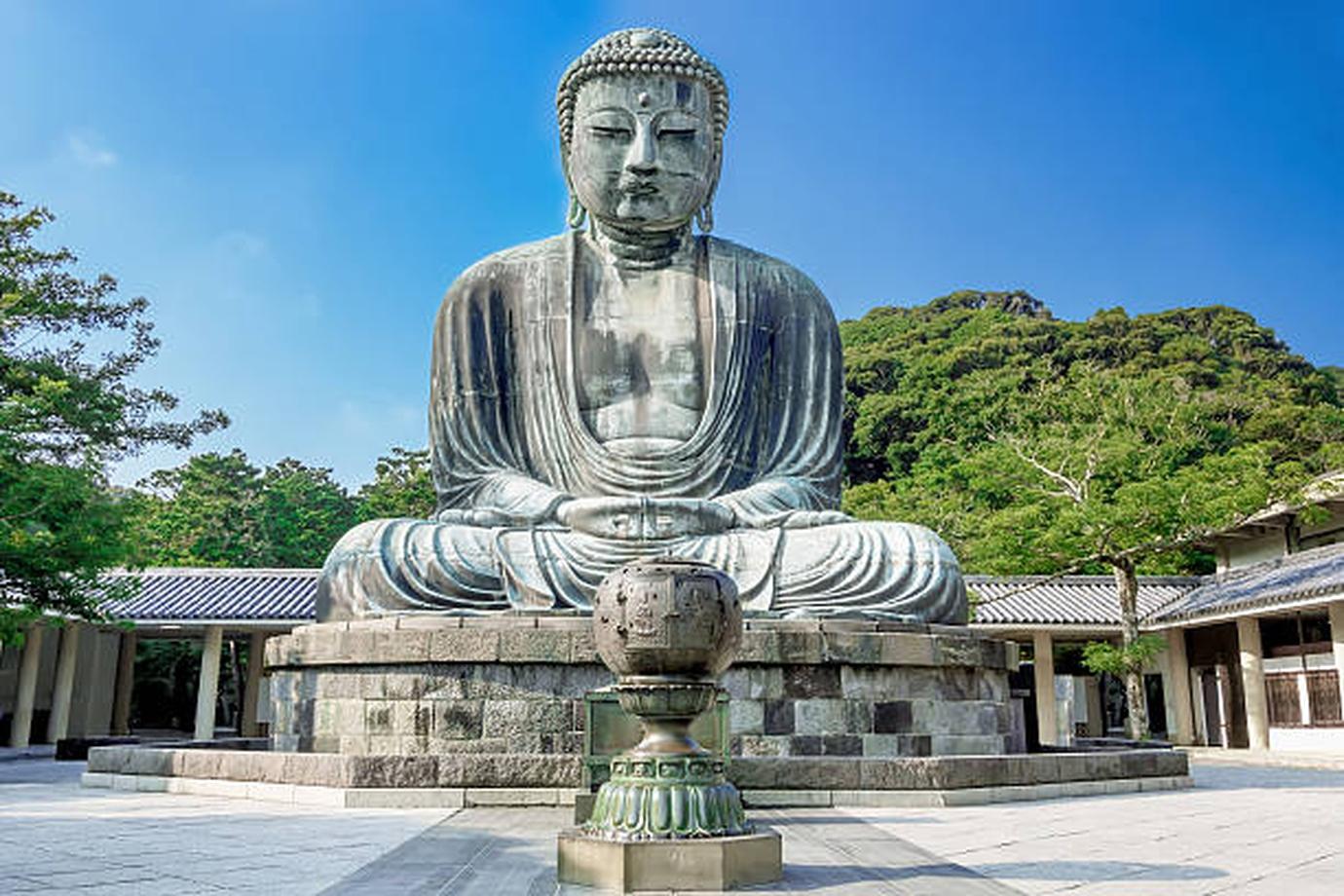
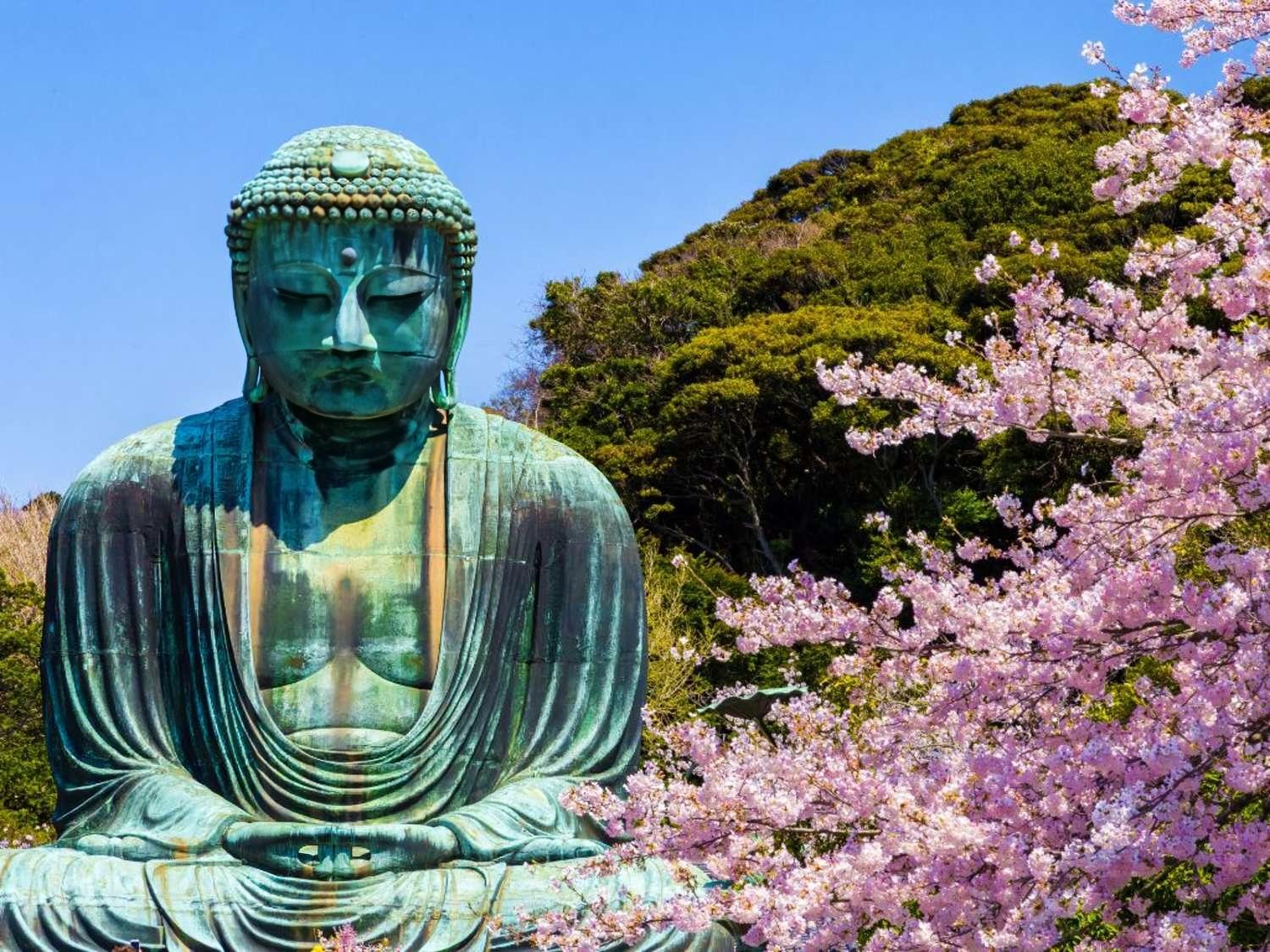
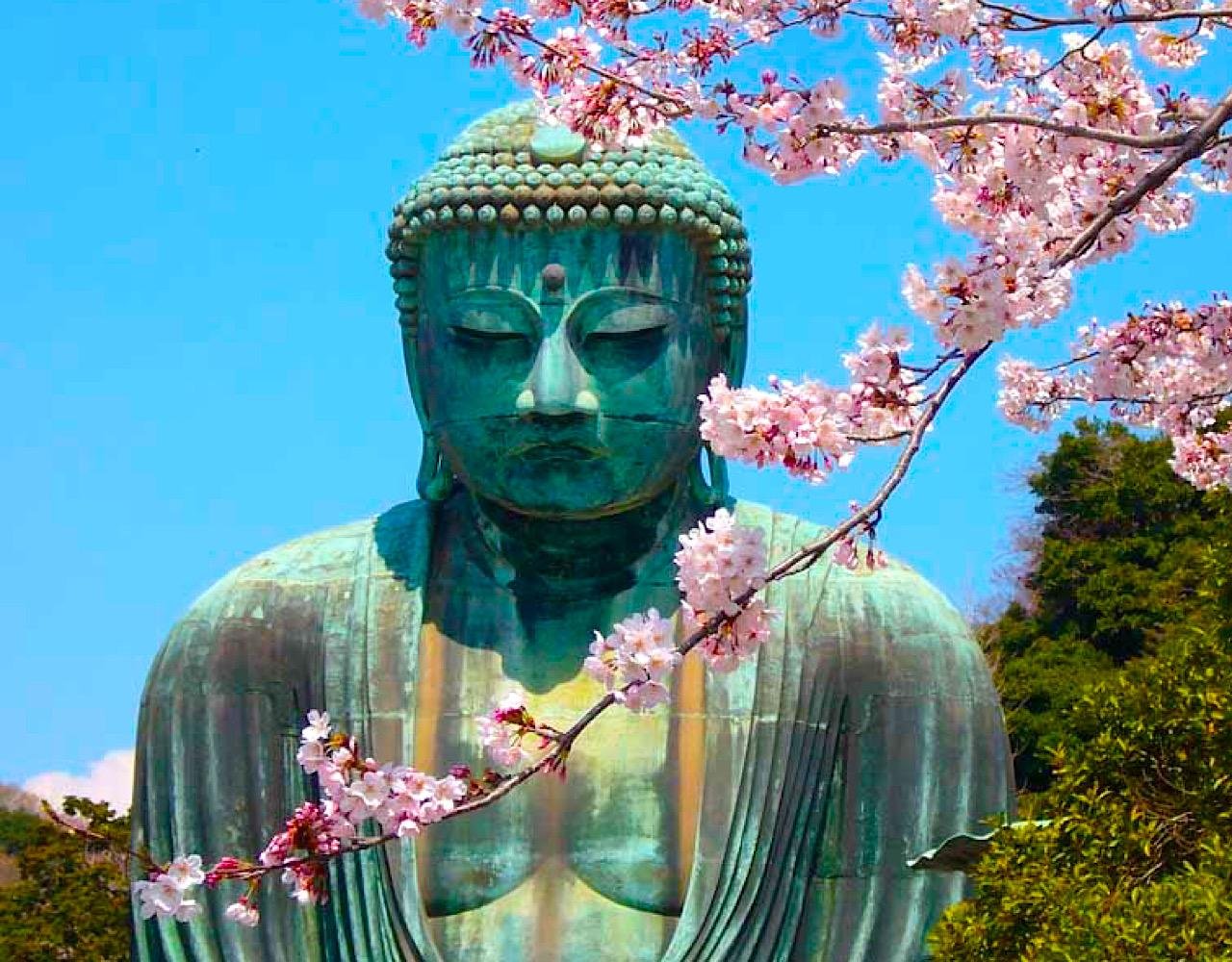
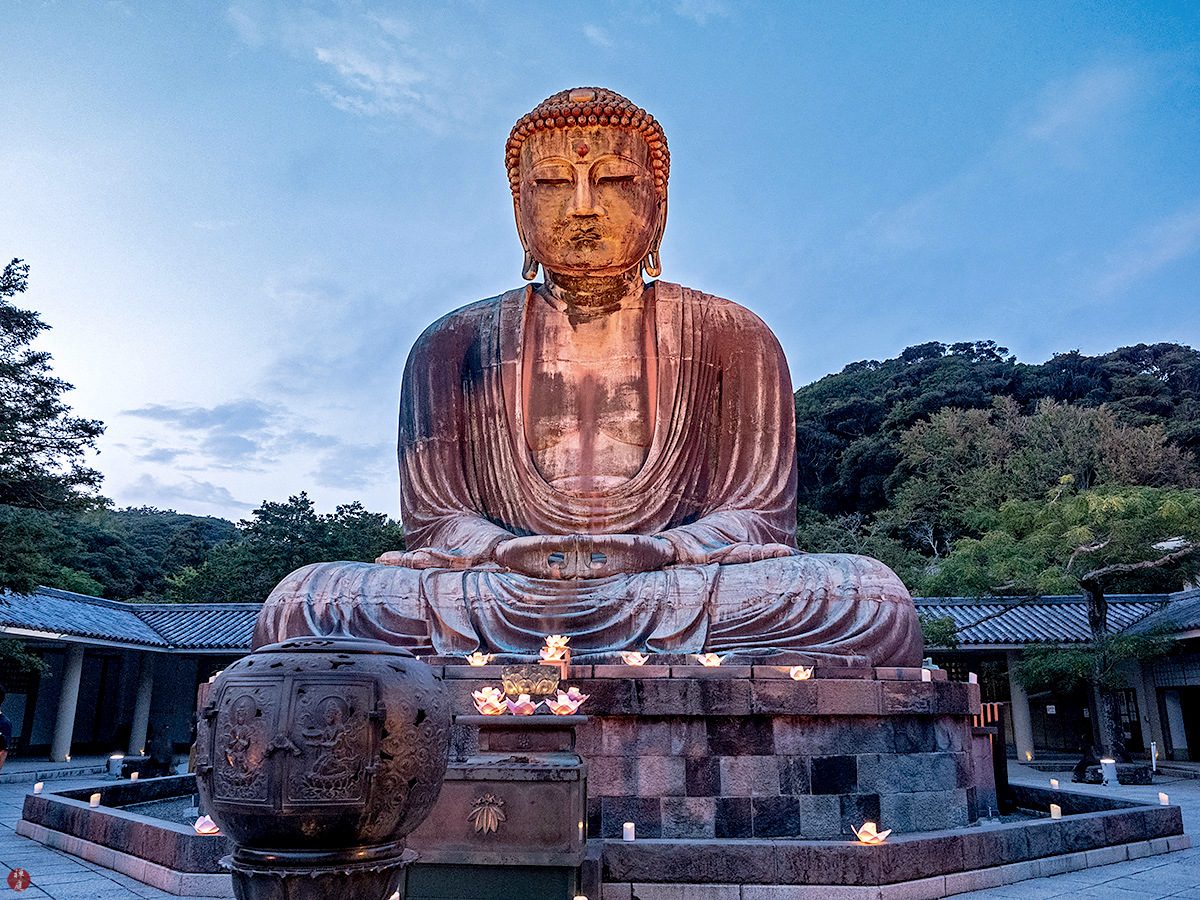
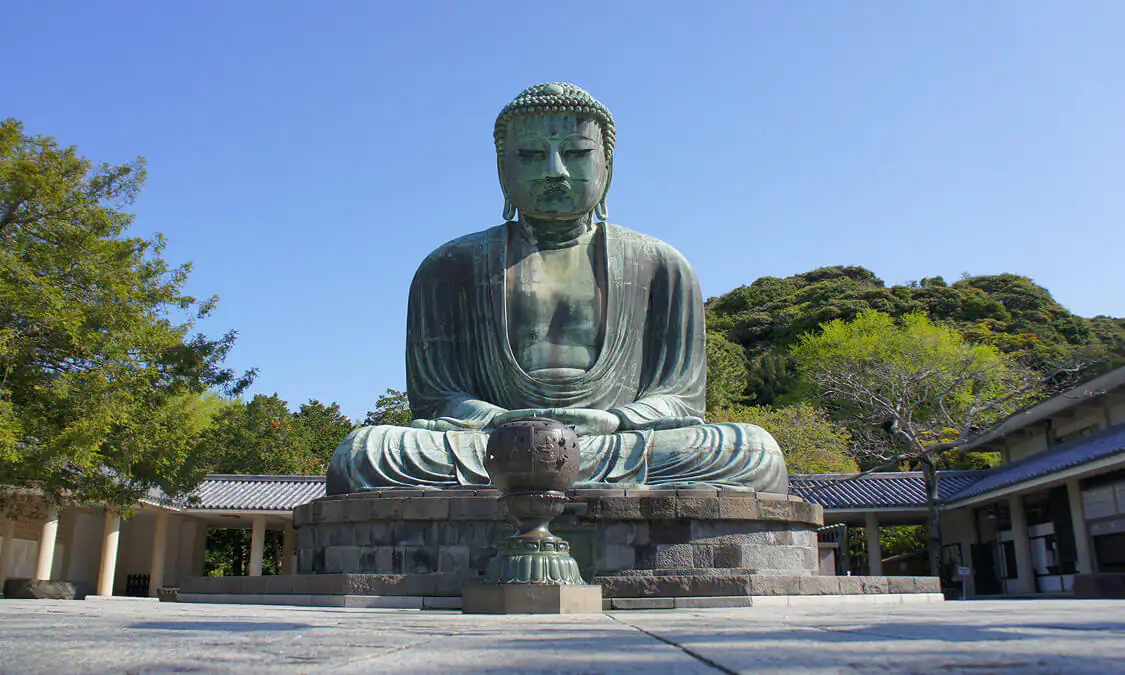
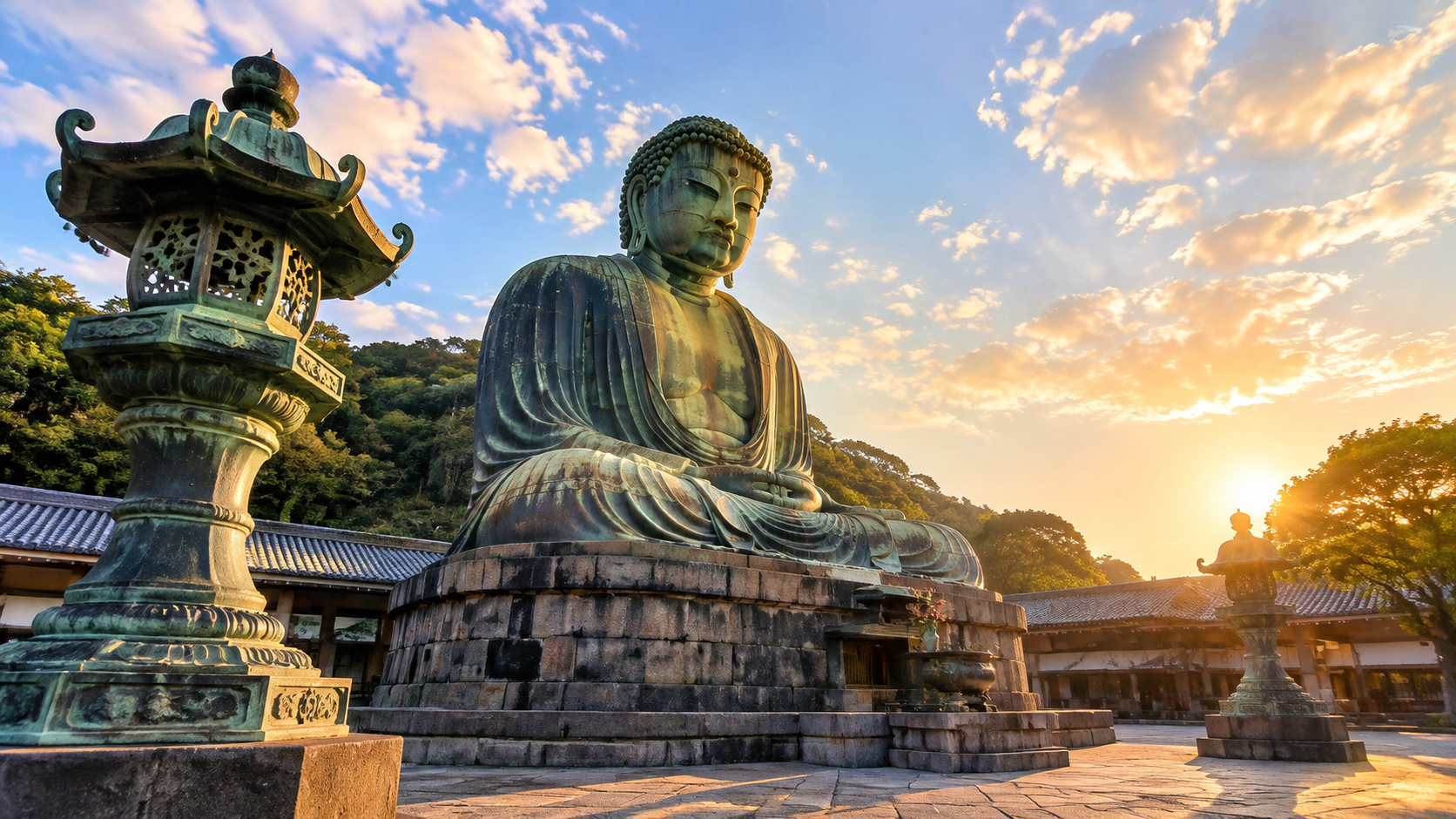
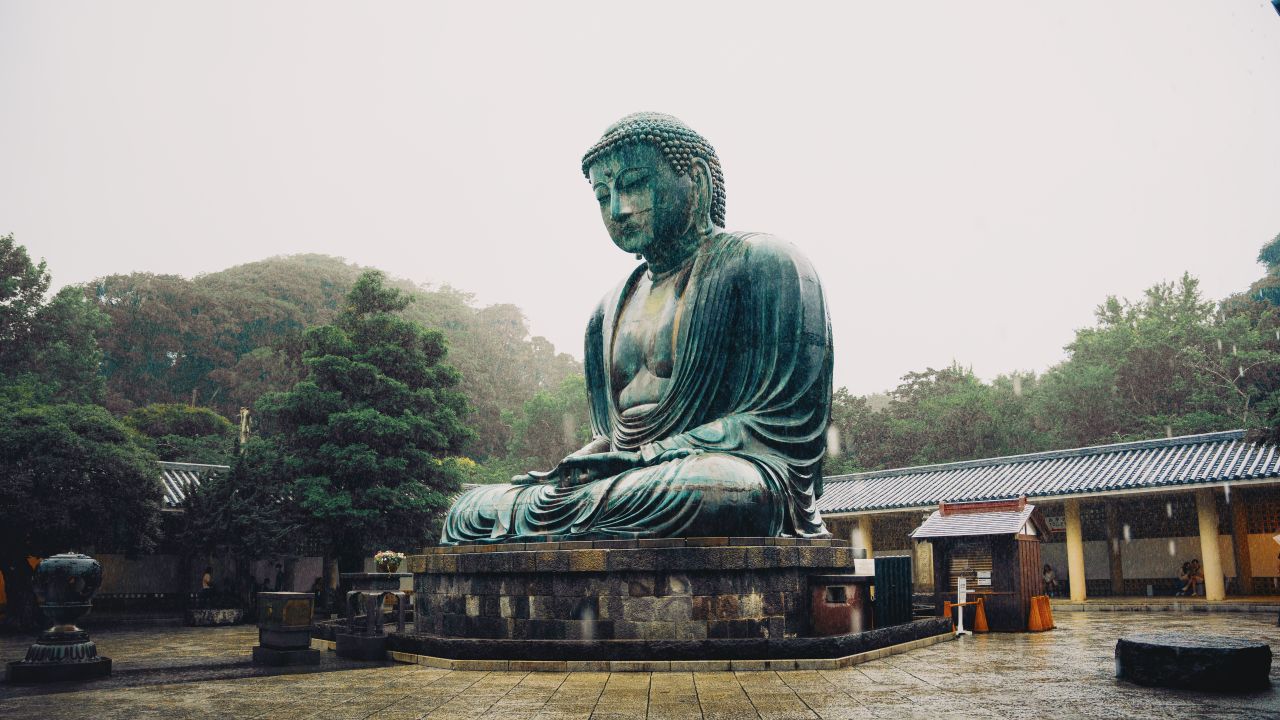
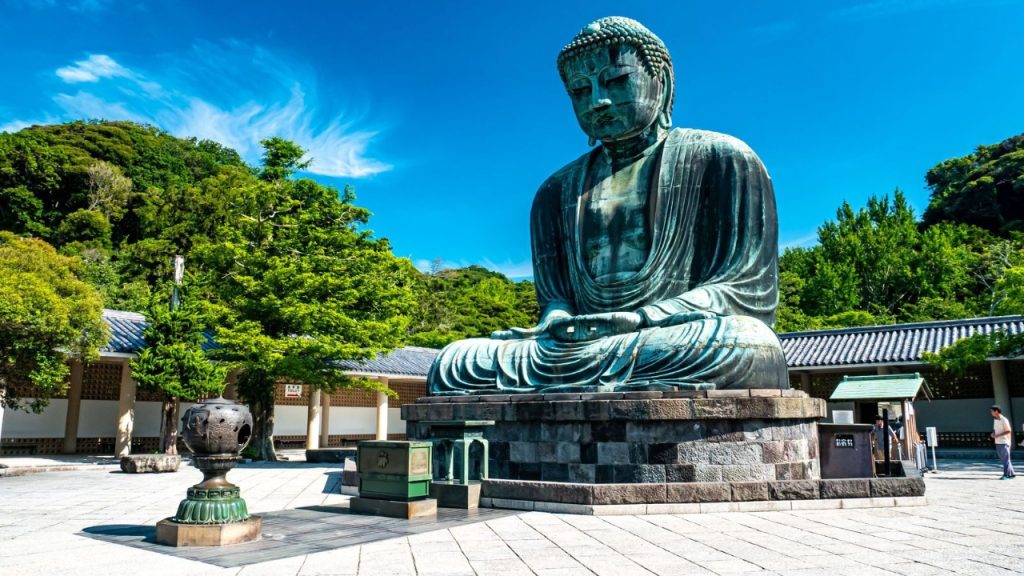
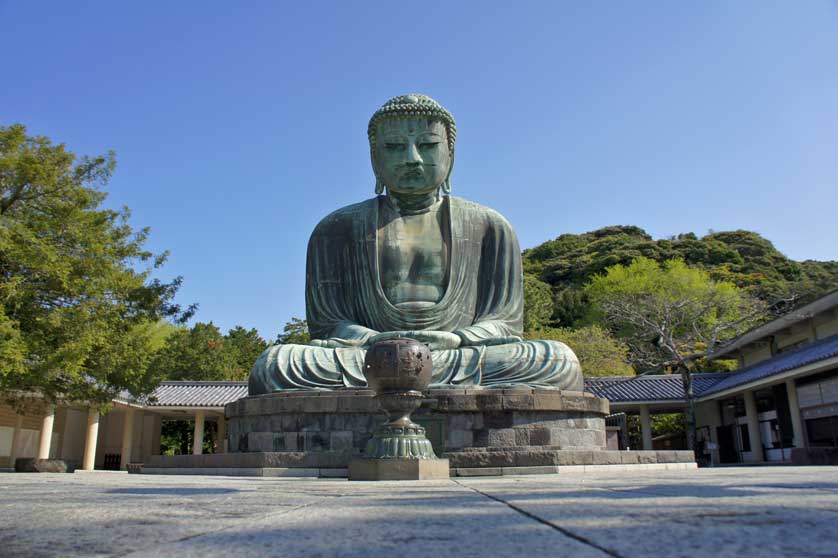
This massive bronze statue stands over 11 meters tall and was cast in 1252. It survived multiple tsunamis and historical earthquakes.
The surrounding park features remnants of the original temple structure. It offers quiet spaces for reflection away from the city.
This historic area houses religious artifacts associated with the temple. It provides insight into the history of the Great Buddha.
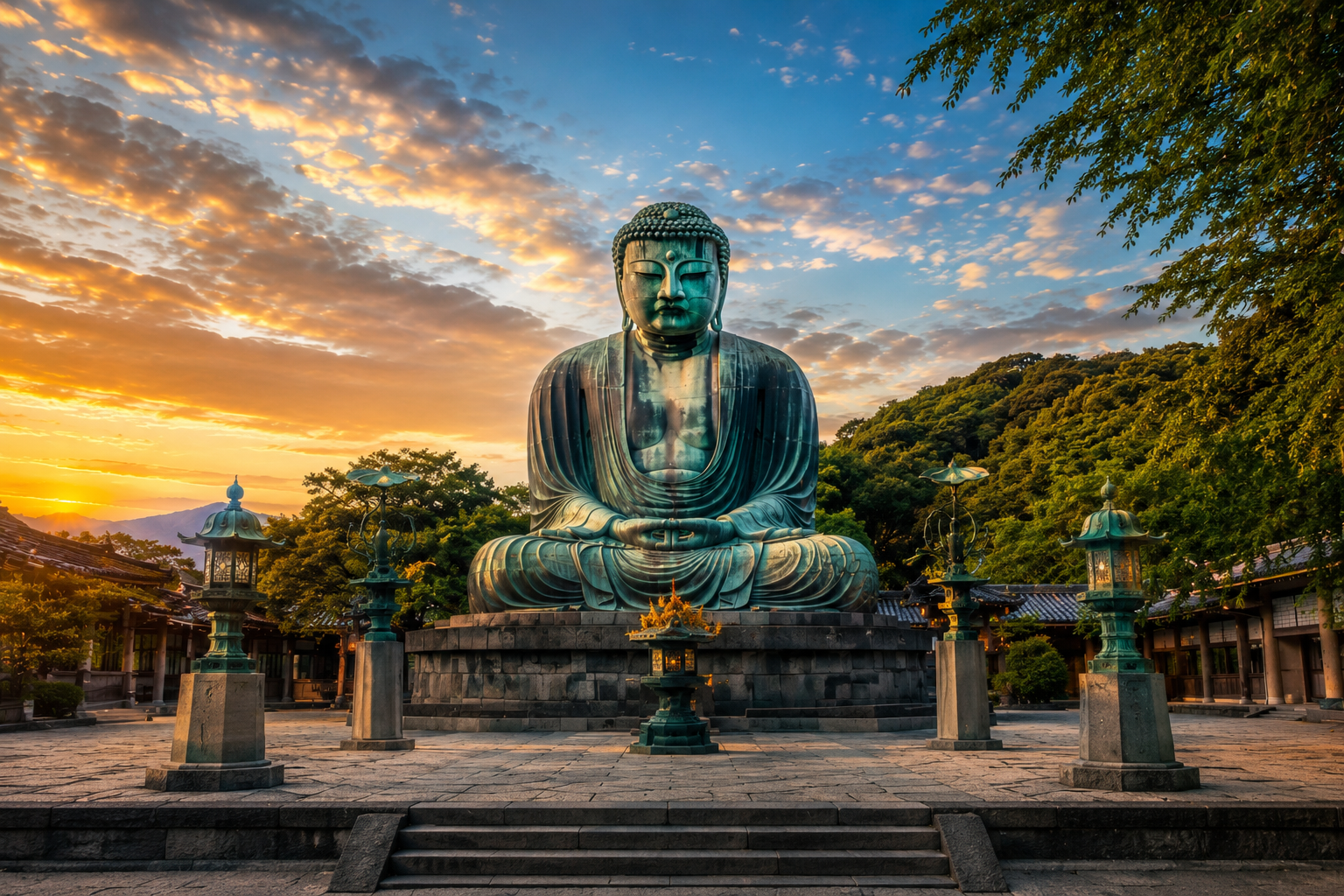
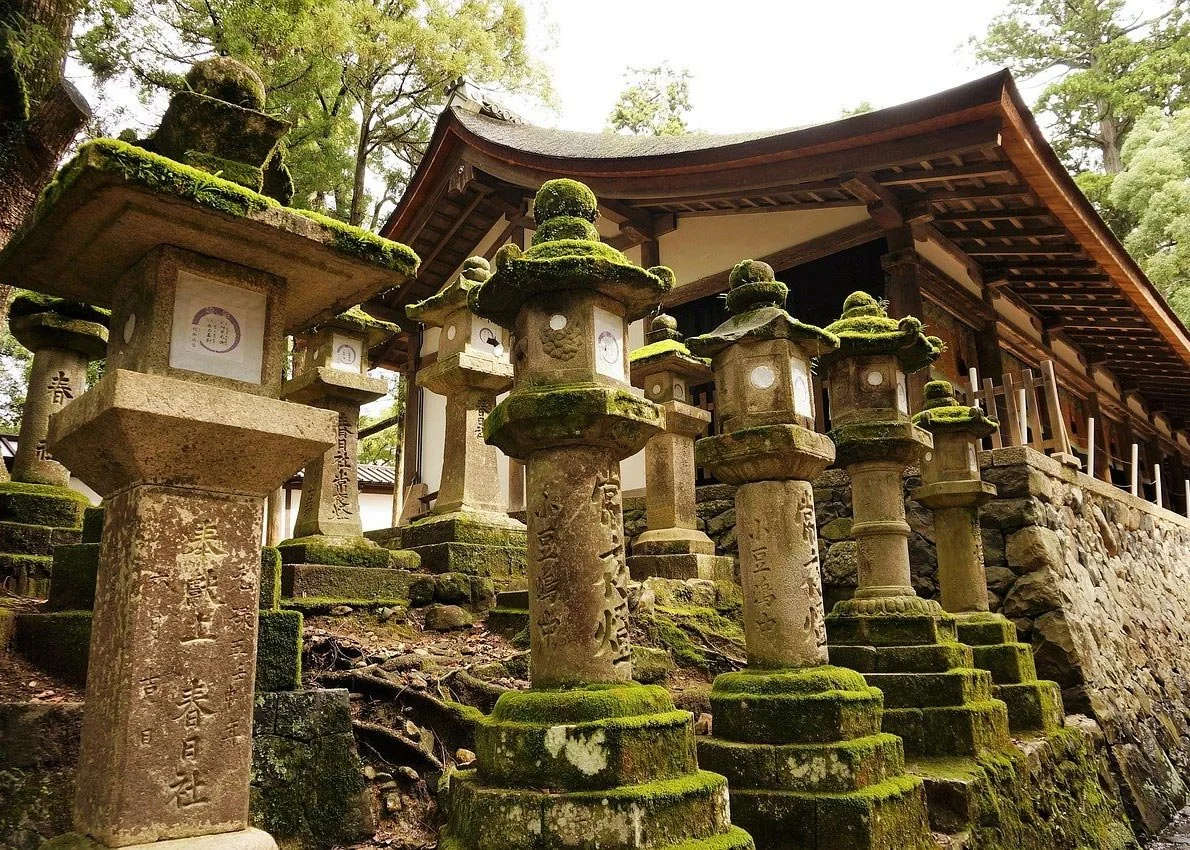
Various stone lanterns are scattered throughout the site. They are traditional examples of Japanese garden design.
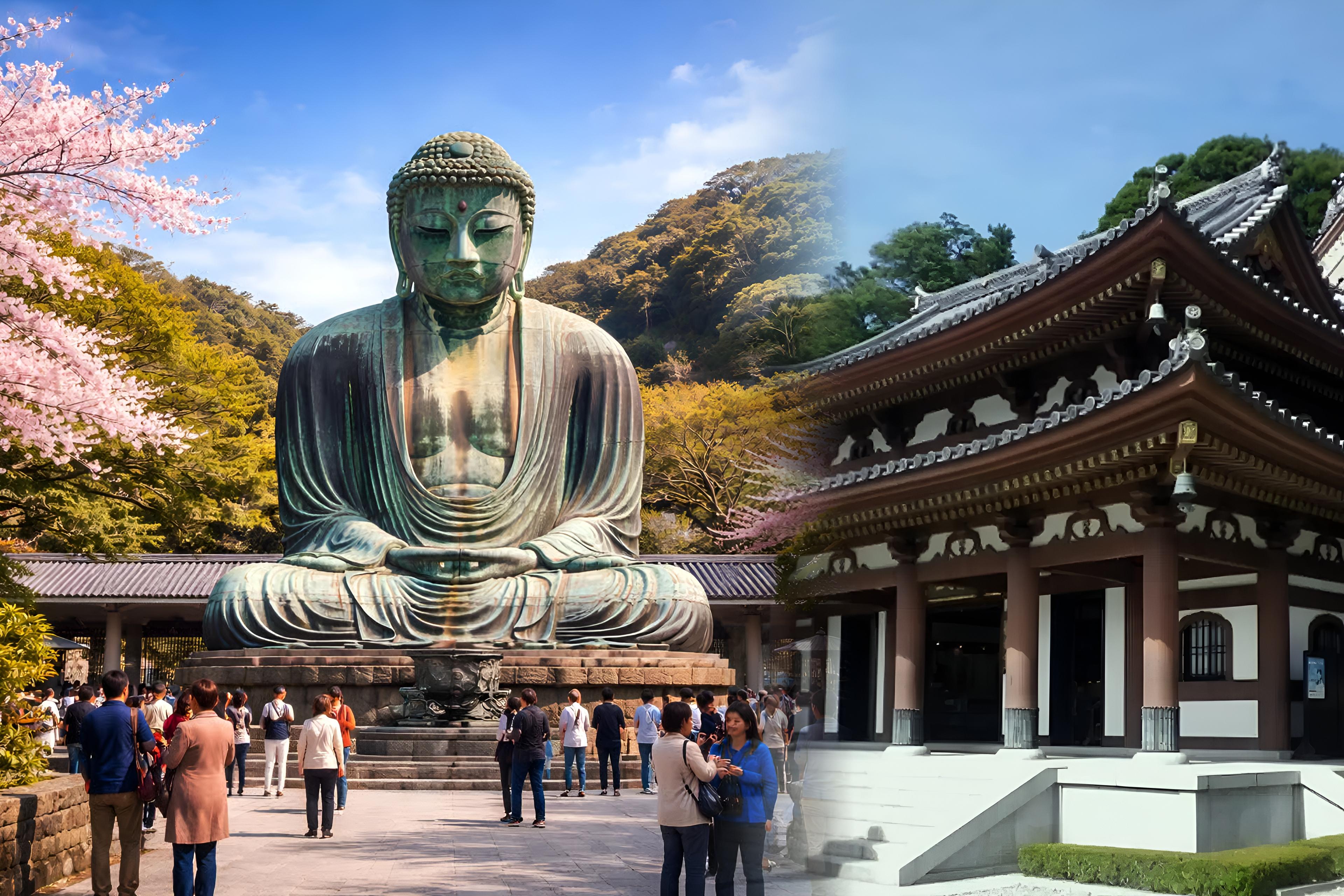
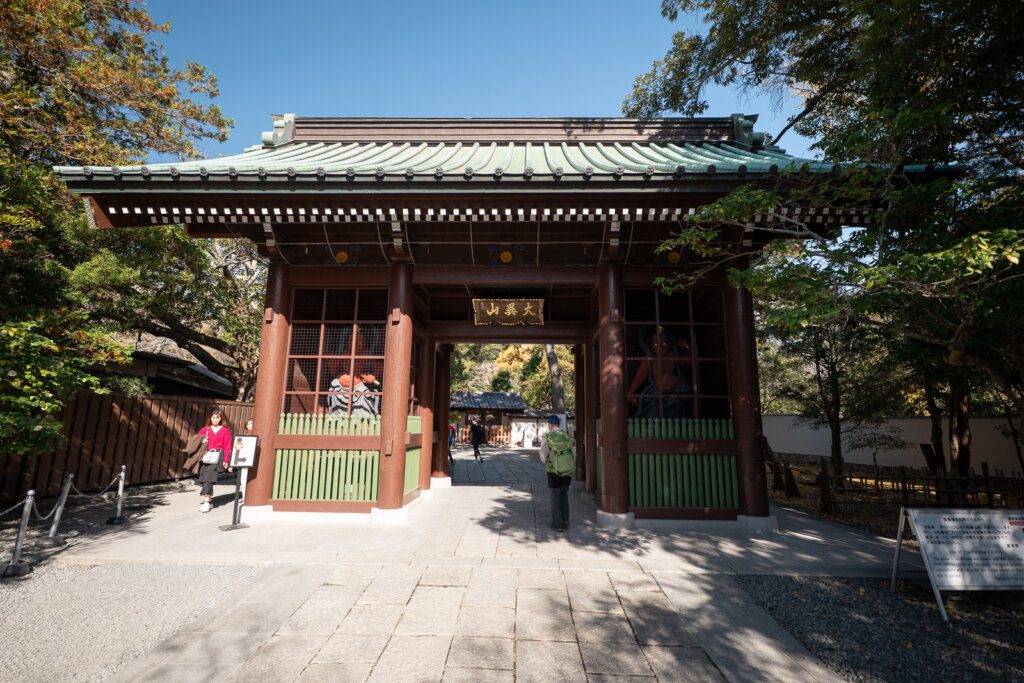
The entrance gate welcomes visitors with traditional architecture. It marks the formal boundary of the temple complex.
You board the JR Yokosuka Line at Tokyo Station mid-morning, watching high-rises thin into low houses and vegetable plots as the train rolls south. Fifty-three minutes later you step onto the platform at Kamakura Station.
Komachi-dori stretches directly ahead, but you turn left toward Tsurugaoka Hachimangu, passing under vermilion torii gates and climbing stone steps flanked by ginkgo trees. The shrine's main hall overlooks a rectangular pond divided by a footbridge.
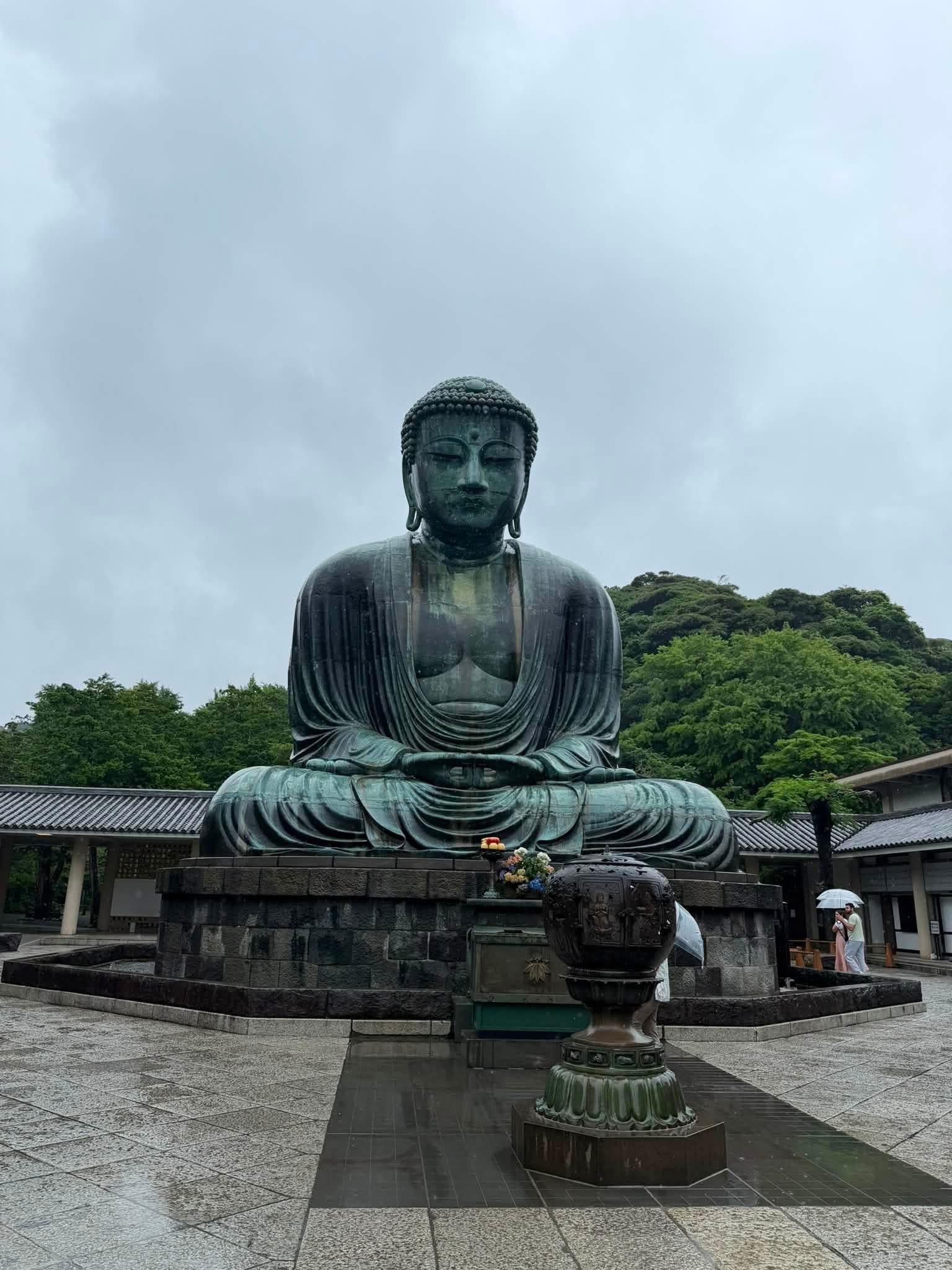
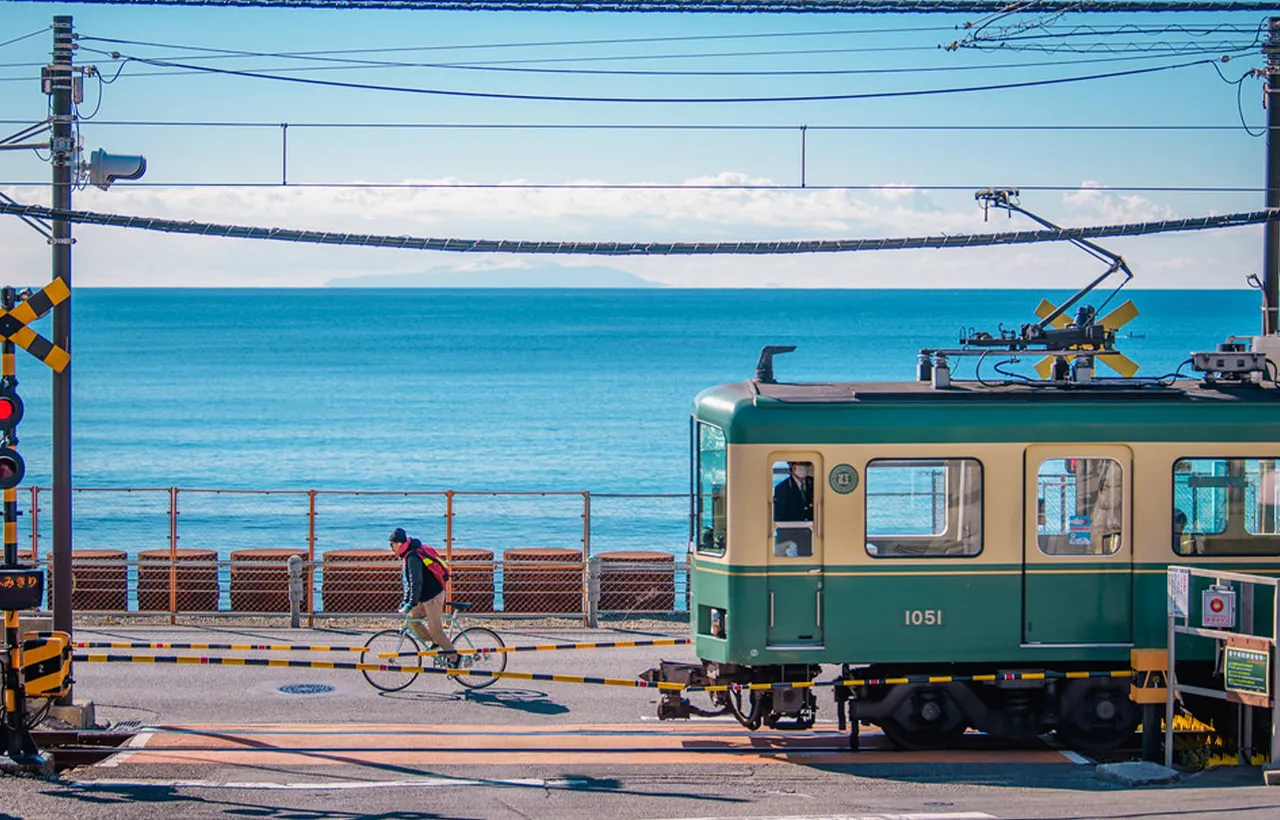
You backtrack to the station and board the Enoden Line westbound, a two-car tram that slows through narrow residential streets before emerging at the coast. At Hase Station you walk uphill five minutes to Kotoku-in. The Great Buddha sits in an open courtyard, bronze patina darkened by centuries of rain. You circle the statue, noting the forward tilt of the head and the serene half-closed eyes. A separate queue forms at the figure's right side; you pay ¥50 and duck through a low door into the hollow interior, cool and dim, the inner surface showing rivets and repair seams.
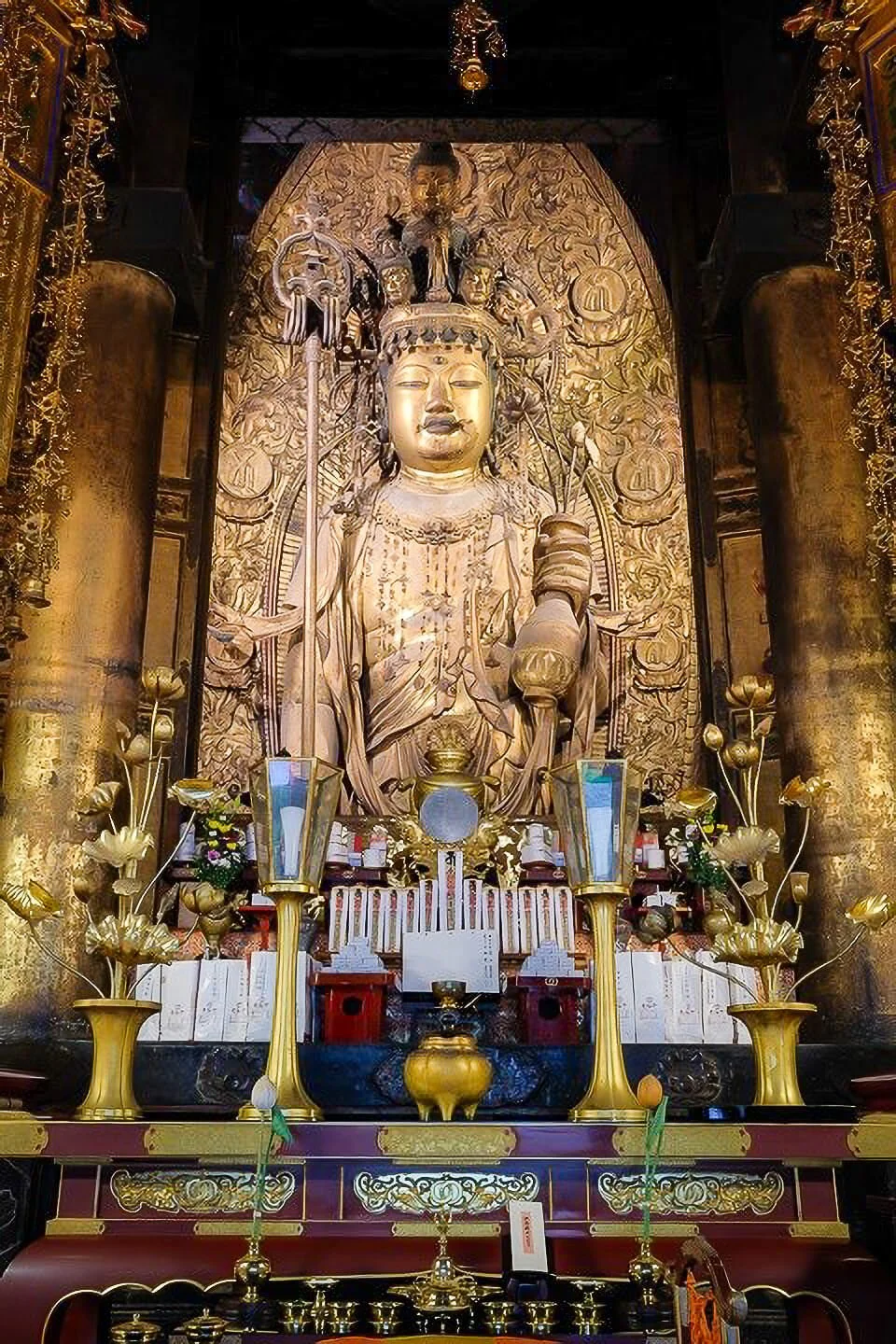
You continue to Hase-dera Temple, climbing wooden staircases through hydrangea terraces to the Kannon Hall. The eleven-faced statue towers above you, gilded and imposing. From the observation deck you trace the curve of Yuigahama Beach and the Miura Peninsula beyond. By late afternoon you ride the Enoden back, the low sun turning the ocean copper.
All the details about your upcoming adventure in one place
A kamakura day trip from tokyo brings you to a coastal town where medieval temples meet ocean views, just 50 minutes by train from the capital. The town served as Japan's military capital from 1185 to 1333, leaving behind the bronze Great Buddha at Kōtoku-in, bamboo groves at Hōkoku-ji, and the vermilion shrine gates of Tsurugaoka Hachimangū. Kamakura day trip from tokyo tours typically cover Zen temples, beachfront shrines, and the historic Komachi shopping street, with most visitors spending a full day exploring the Shogunate-era sites.
In 1192, Minamoto no Yoritomo chose a fishing village ringed by hills and sea as the seat of Japan's first military government, transforming Kamakura into a political center that would rival Kyoto for a century. The city's natural fortress — mountains on three sides, ocean on the fourth — made it defensible.
Its concentration of Zen temples, Shinto shrines, and the 13.35-meter bronze Great Buddha at Kotoku-in Temple reflects the shogunate's patronage of religious institutions as instruments of legitimacy and social order.
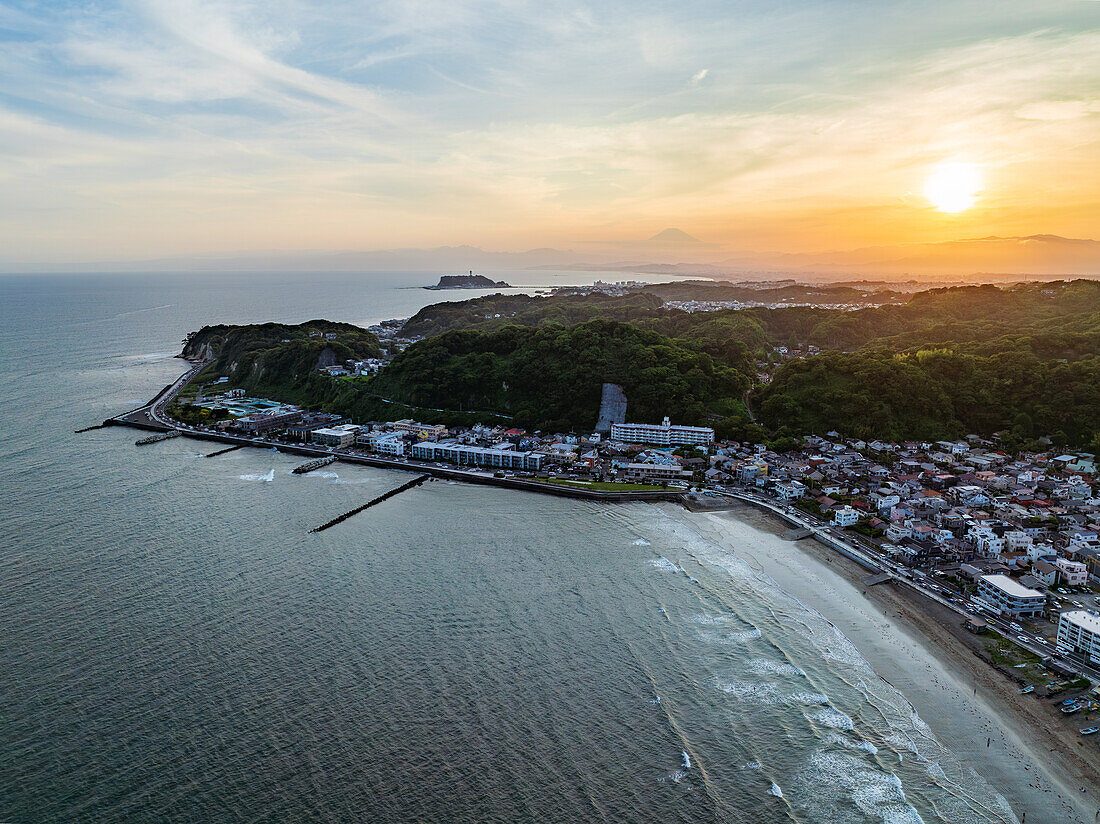
Today Kamakura serves as the anchor for a kamakura day trip from tokyo by train, reachable in under an hour from Tokyo Station via the JR Yokosuka Line. The compact temple district, anchored by Tsurugaoka Hachimangu Shrine and Hokoku-ji's bamboo groves, sits within walking distance of Kamakura Station. Hase, home to Kotoku-in and the eleven-faced Kannon statue at Hase-dera Temple, lies a ten-minute train ride west on the Enoden coastal line. The railway hugs the shoreline between Kamakura and Enoshima, threading through residential neighborhoods and past Shichirigahama Beach, where surfers paddle out year-round.
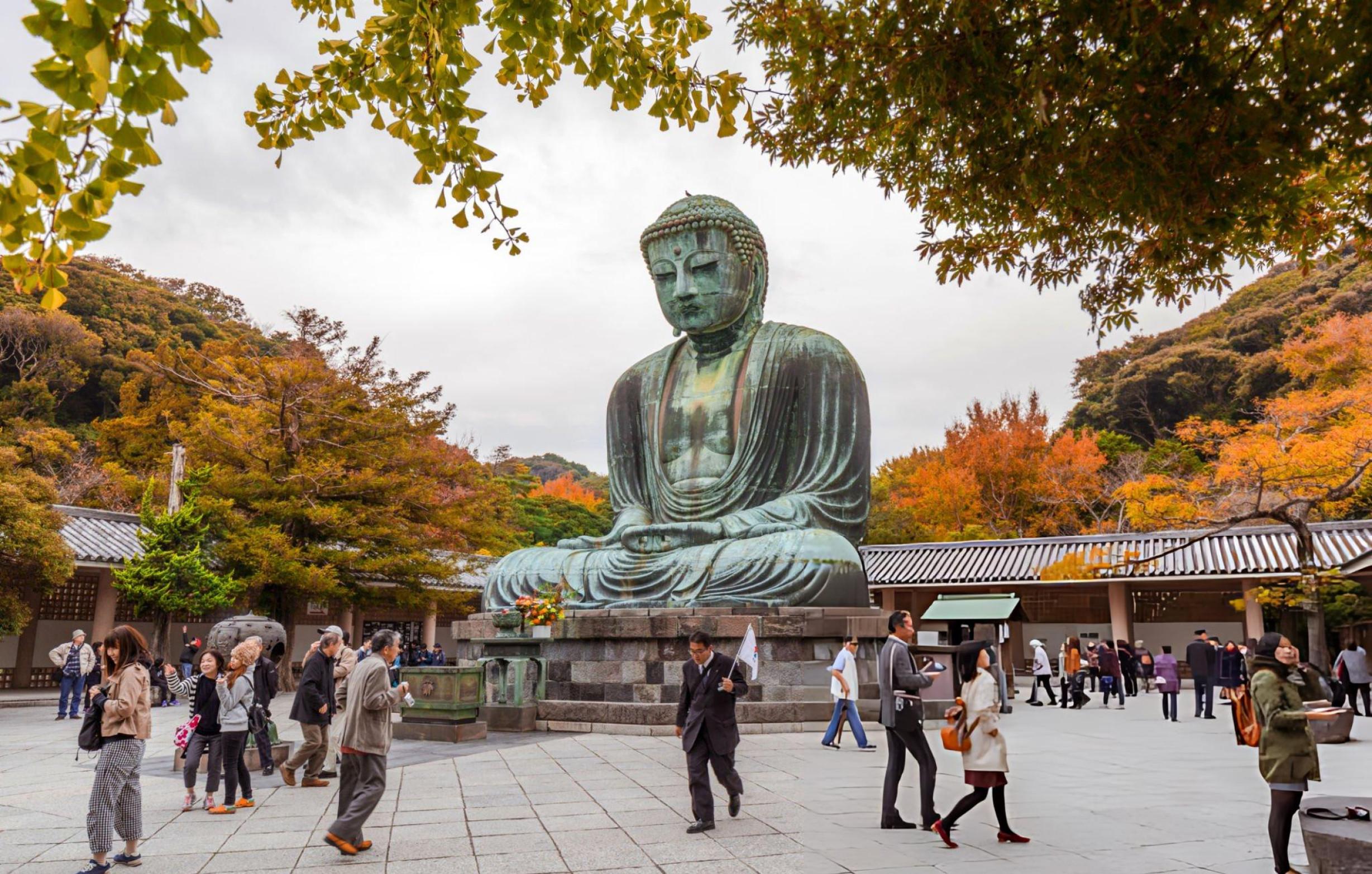
Kotoku-in's Great Buddha, cast in 1252, once sat within a wooden hall destroyed by a tsunami in 1498. The statue has remained exposed to the elements for over five centuries. Visitors pay ¥300 to enter the temple grounds, open daily from 8:00 to 17:30. Arriving between 8:00 and 10:00 avoids the afternoon influx of school groups and organized tours. The interior of the statue is accessible for an additional ¥50, revealing the hollow bronze structure and centuries-old graffiti left by Edo-period travelers.
Beyond the temples, Kamakura sustains a network of hiking trails connecting ridgeline shrines. The Daibutsu Trail runs from Kotoku-in to Jochi-ji Temple in Kita-Kamakura, a two-hour walk through cedar forest. Komachi-dori, the covered shopping street near Kamakura Station, offers regional snacks — shirasu dried whitebait, matcha soft-serve, senbei rice crackers — and draws crowds in the late afternoon as day-trippers funnel back toward the station.

The Great Buddha has sat in the open air since a tsunami destroyed its hall in 1498.
Modest clothing is recommended when visiting Kotoku-in as it is an active religious site. Avoid excessively revealing attire to show respect to the historic Great Buddha.
There are no lockers provided at Kotoku-in for a kamakura day trip from tokyo. Travelers should carry compact bags as the temple grounds are narrow.
Photography is permitted in most outdoor areas of Kotoku-in. Respect signage prohibiting flash photography inside specific structures.
The grounds of Kotoku-in offer plenty of space for families to walk together. Ensure children remain supervised near the stone barriers.
The path to the Great Buddha is paved, but some temple areas have uneven gravel surfaces. Wheelchair access is limited in certain upper sections.
Eating and drinking are generally discouraged within the primary worship areas of the temple. Plenty of cafes are found along the street toward Hase Station.
Opening Hours
08:00–17:30
Address
4-2-28 Hase, Kamakura, Kanagawa 248-0016, Japan
Entry Fee
300 JPY per adult
Arrival Tip
08:00–10:00 to avoid crowds
Storage
None available at Kotoku-in
Navigation
Use local signage near Hase Station
Public transport · 60-90 min · Approx. 1000 JPY
Take the JR Yokosuka Line to Kamakura Station, then transfer to the Enoden Line to Hase Station.
The 300 JPY entrance fee for Kotoku-in is paid on-site upon arrival. No advance tickets are required or refundable for this temple.
Recommended time
45-60 minutes
A typical kamakura day trip from tokyo usually allocates about an hour for this site, allowing you to walk the temple grounds and view the bronze statue. Arriving early is essential to navigate the space before the daily influx of school groups and larger bus tours. By following a strategic path, you can explore these historic landmarks efficiently, especially if you prioritize this stop early in your kamakura day trip from tokyo tour. Planning your visit for the first opening hours helps you avoid the heaviest congestion, ensuring a smoother experience with your kamakura day trip from tokyo tickets or general admission entry.
Crowd levels through the day
Weather · crowds · average price — dots go green to amber to red as each metric rises.
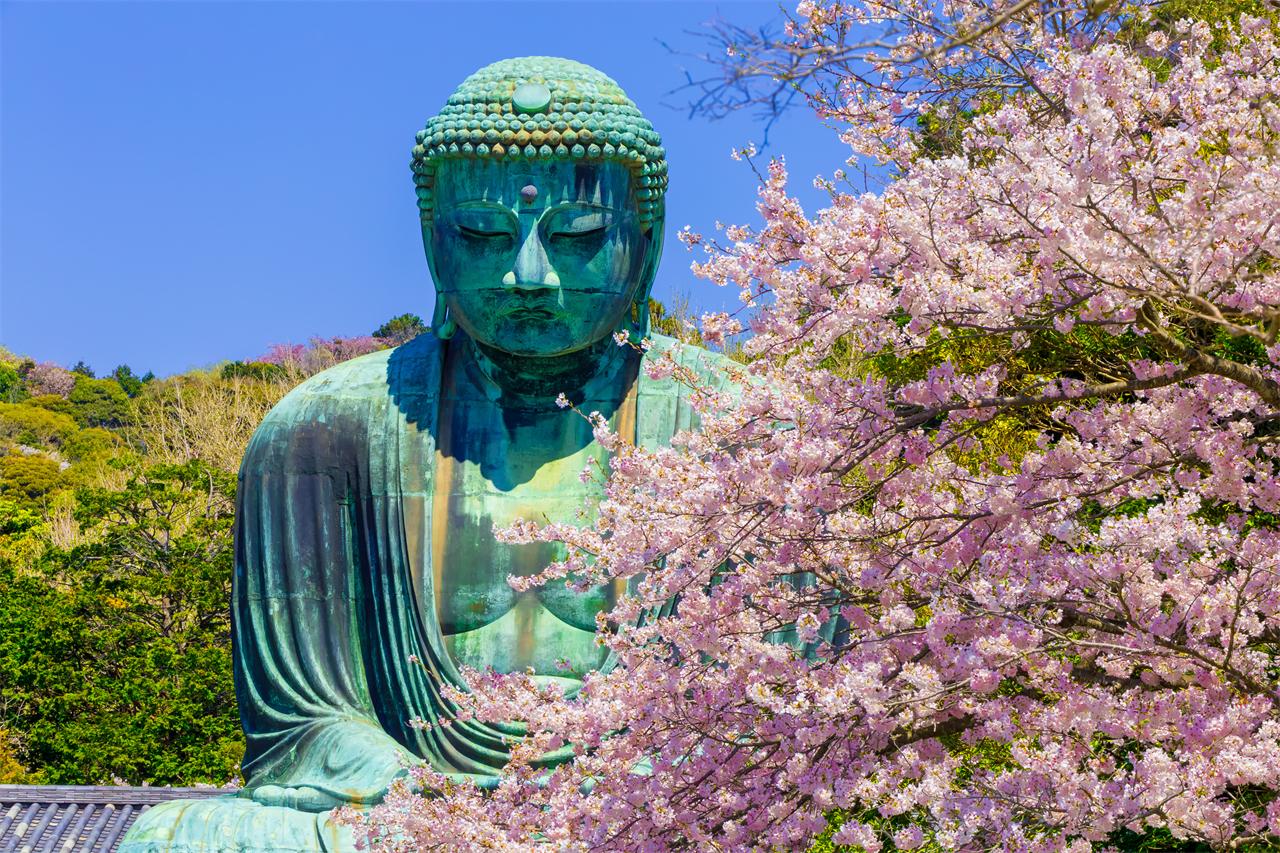
March to May features cherry blossoms and mild temperatures ideal for walking. Crowds are high, so start your kamakura day trip from tokyo early.
Reach Kotoku-in by 08:00 to beat the tourist crowds. This ensures a peaceful experience on your kamakura day trip from tokyo.
Use the Enoden line for scenic coastal views between stations. Purchase a day pass if planning multiple stops.
The Great Buddha of Kamakura stands as one of Japan's most enduring monuments, its origins rooted in the ambitions of the Kamakura shogunate. Construction began in 1252 under the patronage of priest Jōkō and a group of devoted followers who sought to rival the great bronze Buddha of Nara. The original structure was wooden, completed around 1243, but it proved short-lived. By 1252, artisans had begun casting the current bronze colossus, a monumental undertaking that required multiple bronze pours and sophisticated metallurgical knowledge. The statue measures 11.3 meters in height and weighs approximately 121 tonnes, a testament to thirteenth-century engineering. For nearly two centuries, the Buddha sat within a vast wooden hall that sheltered it from the elements. Historical records describe a temple complex befitting the statue's grandeur, complete with auxiliary buildings and pilgrimage infrastructure. This arrangement ended catastrophically in the late fifteenth century when a tsunami swept through the Kamakura valley, destroying the hall and leaving the Buddha exposed. Some scholars place this event around 1495, during the Muromachi period, though exact dates remain debated. The hall was never rebuilt, and the statue has since weathered centuries in the open air. Today, kamakura day trip from tokyo itineraries center on this silent witness to impermanence. The bronze has developed a distinctive green patina, and visitors can enter the hollow interior through a small opening at the back, where casting seams and structural reinforcements remain visible. Unlike Nara's Daibutsu, which resides within the world's largest wooden building, Kamakura's Buddha embodies a different aesthetic—resilience through exposure rather than preservation through shelter. The grounds surrounding the statue, managed by Kōtoku-in temple, reflect centuries of continuous devotion. Seasonal camellias and cherry trees frame the figure, and kamakura day trip from tokyo tours frequently begin or end here, acknowledging its role as the coastal city's most recognizable landmark.
Wooden Great Buddha completed under priest Jōkō's sponsorship.
Bronze casting of current statue begins, requiring multiple pours over several years.
Great Buddha Hall shelters the statue within a sprawling temple complex.
Tsunami destroys the wooden hall during Muromachi period; Buddha remains exposed.
Structural reinforcement completed to stabilize statue against earthquakes.
Kōtoku-in temple maintains the site, welcoming visitors year-round to witness the enduring colossus.
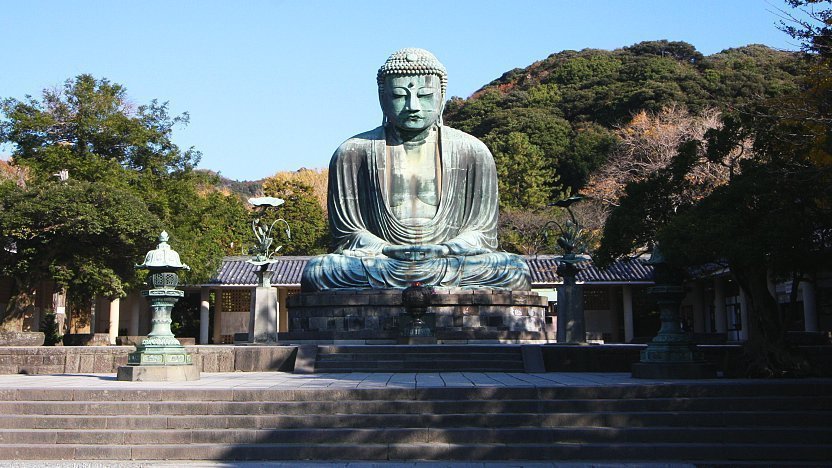
Position your camera at the beginning of the stone walkway for a symmetrical shot leading toward the bronze statue. This perspective highlights the scale of the monument against the surrounding trees.
Stand near the front-left section of the courtyard to capture the Great Buddha statue from a low angle that emphasizes its imposing seated posture. This is the ideal spot to include the stone lanterns in the foreground for a classic Kamakura day trip from tokyo composition.
Move toward the western edge of the temple grounds to photograph the side profile of the statue. This angle captures the intricate texture of the bronze and the silhouette of the head against the sky.
Utilize the open space near the rear garden entrance to frame the statue within the wider temple enclosure. This vantage point is popular for those seeking a broader context of this Kamakura landmarks tour.
Real experiences from real travelers
Taking a kamakura day trip from tokyo was exactly what we needed after busy weeks in the capital. The train ride itself felt like decompression. Hasedera Temple gardens offered genuine tranquility, and the coastal views from the observation deck were expansive. We wandered Komachi-dori for lunch and found excellent soba.
The combination of sacred sites and beach atmosphere makes Kamakura unique among day excursions. We visited four major temples in one morning using the local bus pass. The Great Buddha sits with remarkable presence despite tourist activity around it. Sea breeze kept the July heat manageable.
Kamakura day trip from tokyo tours typically cover the main shrines, but exploring independently let us set our own pace. Tsurugaoka Hachimangu was our starting point, then we cycled to Hokokuji bamboo grove. The scale of the preserved temple district impressed us more than expected.
Weekend crowds were heavy at popular spots like the Daibutsu and Hasedera. Arriving before 9am helped us photograph the bronze Buddha with fewer people in frame. The hiking trail to Jochiji Temple offered quieter moments. Would recommend weekday visits during autumn season.
We arranged our kamakura day trip from tokyo independently rather than joining group transport. The JR Yokosuka line made access simple. Walking between Kenchoji and Engakuji temples through residential neighborhoods revealed everyday life alongside historical sites. The hydrangea were just beginning to bloom in early May.
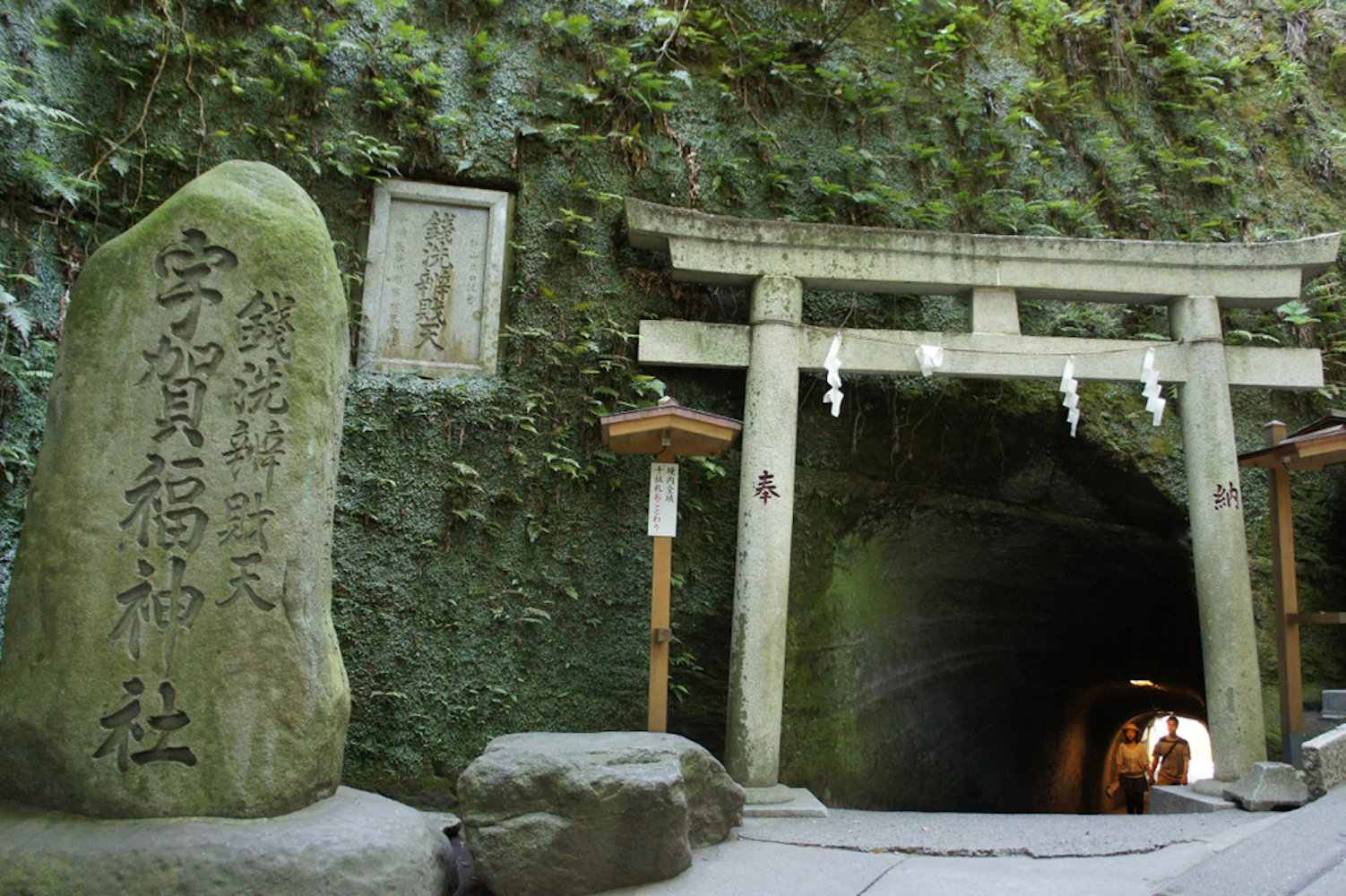
The 13-meter bronze statue photographs well but standing beneath it conveys its actual magnitude. We purchased kamakura day trip from tokyo tickets through our hotel concierge which included temple admission bundle. Zeniarai Benzaiten shrine ritual of washing coins in spring water felt authentic despite being tourist-known.
Kamakura offers hiking circuits connecting temples across forested ridges. We took the Daibutsu trail from Kita-Kamakura station, emerging near the Great Buddha after 90 minutes of moderate climbing. The forest canopy provided shade and occasional ocean glimpses. Trail markers were clear even for non-Japanese readers.
Many visitors treat this as a kamakura day trip from tokyo tour and miss the neighborhood character. We stayed until evening and watched locals return from work, stopping at small izakaya near the station. The contrast between tourist zones and residential streets added depth to our understanding of the place.
Temple accessibility varied—Hasedera had elevator access to upper levels while others required stair climbing. The Enoden train line along the coast connected sites efficiently and offered glimpses of daily life in beach communities. September weather was mild with occasional rain showers that cleared quickly.
After visiting the major landmarks, we explored Sasuke Inari shrine with its tunnel of small red torii gates winding up the hillside. Far fewer visitors here despite being photogenic. The neighborhood temples of Kamakura reward wandering beyond the standard kamakura day trip from tokyo itinerary routes.
Everything you need to know for your journey
Kotoku-in is open daily from 08:00–17:30. Ensure your itinerary aligns with these hours.
Yes, there is an entrance fee of 300 JPY per adult to enter the temple grounds. Keep coins ready for payment at the entrance.
Take the JR line to Kamakura Station and transfer to the Enoden line to Hase Station. The temple is a short walk from there.
No, Kotoku-in does not provide locker facilities for visitors. Please travel light during your kamakura day trip from tokyo.
The best arrival window is 08:00–10:00 to avoid heavy school and tour groups. This is the optimal time for a kamakura day trip from tokyo tour.
Yes, children are welcome to visit the Great Buddha and temple grounds. Supervise them closely near the statues.
Photography is permitted in most open areas at Kotoku-in. Please be respectful of others during your kamakura day trip from tokyo.
The site features paved paths, though some sections have gravel. Wheelchair users should prepare for minor terrain challenges.
Yes, many visitors combine Kotoku-in with Hase-dera and coastal walks. Plan your kamakura day trip from tokyo tickets or transit accordingly.
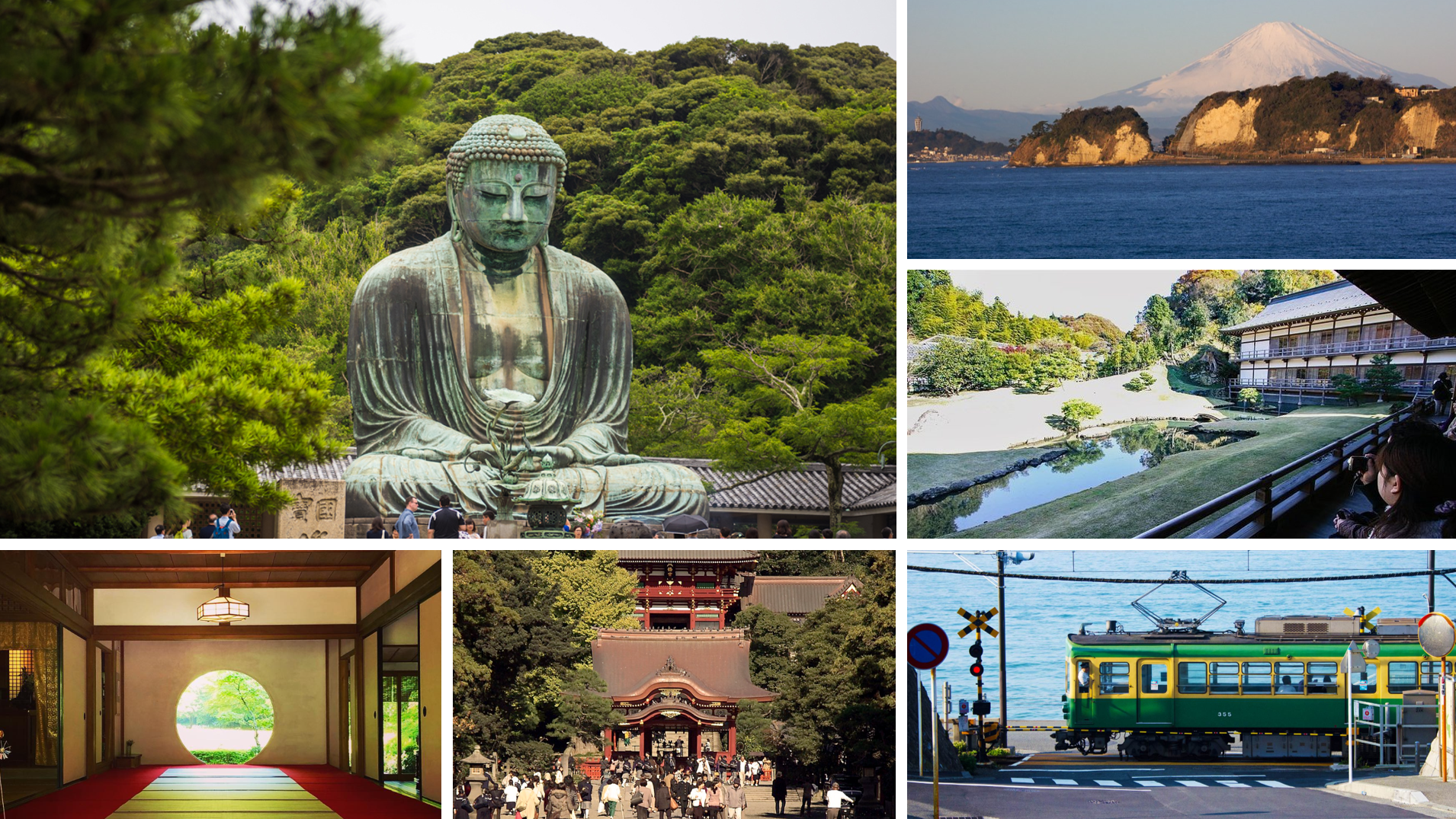
Famous for its garden and Kannon statue.
A popular spot for coastal views.
Coastal views near the Enoden line.
Conveniently located near Kamakura station.
Join thousands of happy travelers who have discovered this incredible experience
Book Your Experience Now