

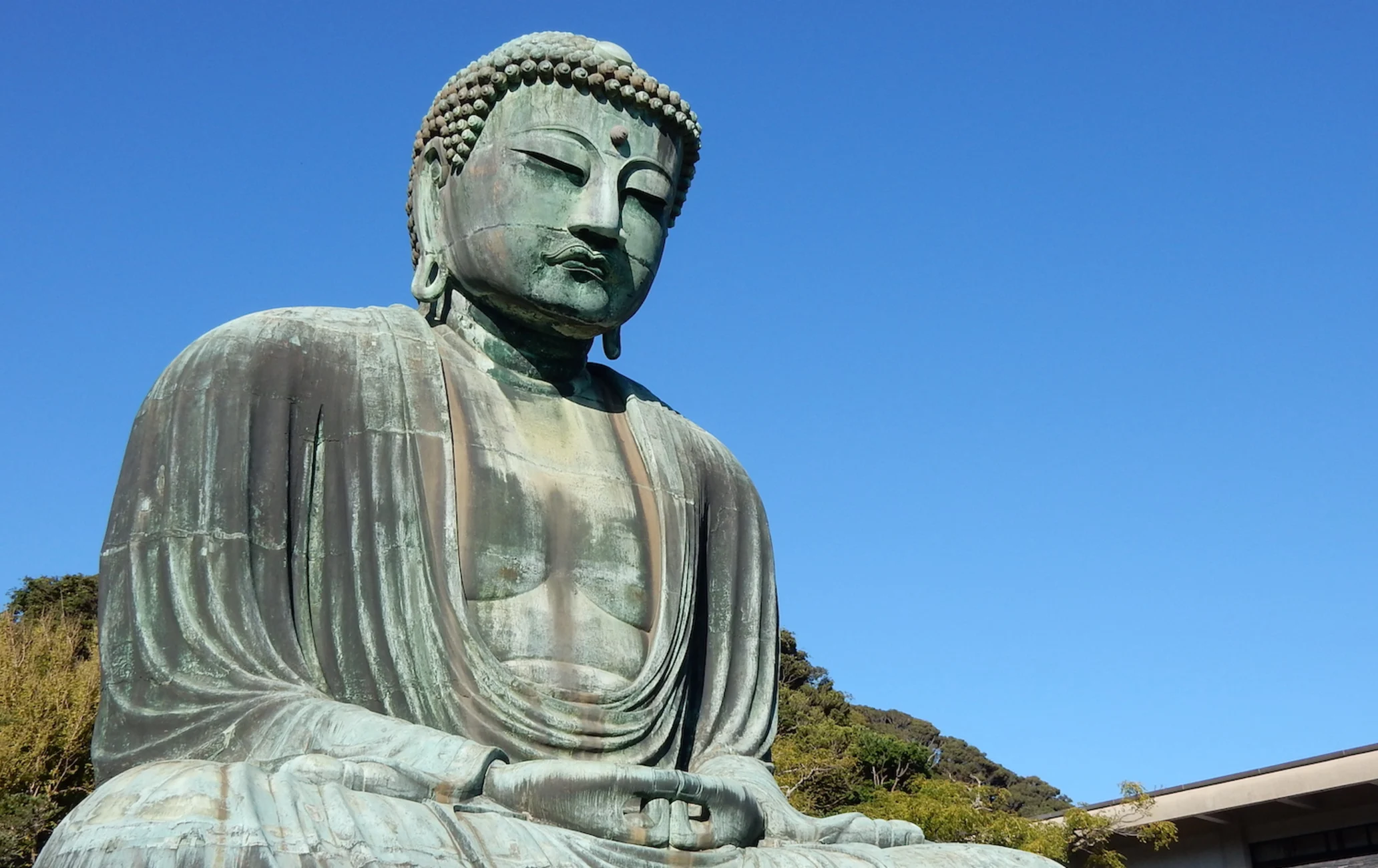
Quick answer
Kamakura rewards visitors seeking temple architecture, coastal scenery, and manageable day-trip distance from Tokyo. The city offers free entry—individual temples and shrines charge separate fees—and concentrates its heritage sites within walking and short-train reach of Kamakura Station. Most travelers allocate a full day to cover the Daibutsu, Hasedera, Tsurugaoka Hachimangu, and the Daibutsu Hiking Course. Weekend and holiday crowds at major temples can dilute the atmosphere; weekday mornings between 08:30 and 10:00 provide quieter access.
Kamakura served as Japan's political center from 1185 to 1333, and that shogunate legacy remains visible in the density of Zen temple compounds, Shinto precincts, and hillside cemeteries that define the city's geography. Unlike Kyoto's sprawling temple roster, Kamakura's heritage sites cluster within a compact coastal basin, making multi-site visits feasible without long transfers. The Great Buddha at Kotokuin, Hasedera's hillside terraces, and the forested approach to Zeniarai Benzaiten form the canonical circuit, supplemented by coastal walks to Yuigahama Beach and the cliffside Kamakura-gu shrine. Whether Kamakura justifies a dedicated day depends on your tolerance for temple repetition and interest in regional Kamakura-period history. The city's chief advantage over alternatives like Nikko lies in proximity—Kamakura sits 50 minutes from Tokyo via the JR Yokosuka Line, compared to Nikko's two-hour journey. That shorter transit window suits travelers on tight itineraries or those combining Kamakura with Enoshima Island in a single outing. Conversely, visitors prioritizing natural grandeur over historical density often favor Nikko's Toshogu complex and mountain trails. Crowd dynamics shift value. Summer weekends and cherry-blossom season bring tour groups and school trips that congest station exits and temple approaches. Autumn foliage in late November draws similar volumes. Weekday mornings, particularly outside national holidays, allow unobstructed photography at the Daibutsu and quieter walks through Hokokuji's bamboo grove. Rainy-season months from June through July thin visitor numbers but introduce humidity and intermittent downpours that complicate hiking routes. The question of whether Kamakura is worth visiting resolves to itinerary context. Solo travelers and history-focused visitors typically find a full day sufficient to absorb the temple circuit, coastal scenery, and Komachi-dori's craft shops. Families with young children may find the hills and walking distances taxing. Surface-level interest in Japanese temples suggests allocating Kamakura's day slot to Yokohama's waterfront or extending time in central Tokyo instead. For those committed to temple architecture and willing to navigate weekend crowds or adjust for weekday timing, Kamakura delivers a concentrated survey of Kamakura-period heritage within practical day-trip range.
“Kamakura concentrates shogunate-era heritage within a coastal basin smaller than Kyoto, making multi-site visits feasible without long transfers.”
Why Timing Matters: Is Kamakura Worth Visiting Early?
Kamakura experiences significant visitor volume, making the best arrival window 08:30–10:00. Arriving during this period helps avoid the heavy mid-day tourist crowds at popular temples and stations.
Weekday mornings
Minimal congestion—
Experience the city before day-trippers arrive from Tokyo.
March–May
High trafficMild, 12°C to 22°C
Cherry blossoms attract large crowds throughout the region.
June
ModerateHumid, 18°C to 25°C
Hydrangea season draws visitors to temple gardens.
October–November
High trafficCool, 14°C to 21°C
Autumn foliage brings peak seasonal tourism numbers.
Verdict: For the most manageable experience, visit on a weekday between 08:30–10:00 during the months of April or October.
Top Landmarks to See When Determining Is Kamakura Worth Visiting
Kamakura features a variety of historic temples, coastal views, and cultural landmarks that define its character as a former political center. Exploring these sites provides a direct look at the region's architectural and religious heritage.
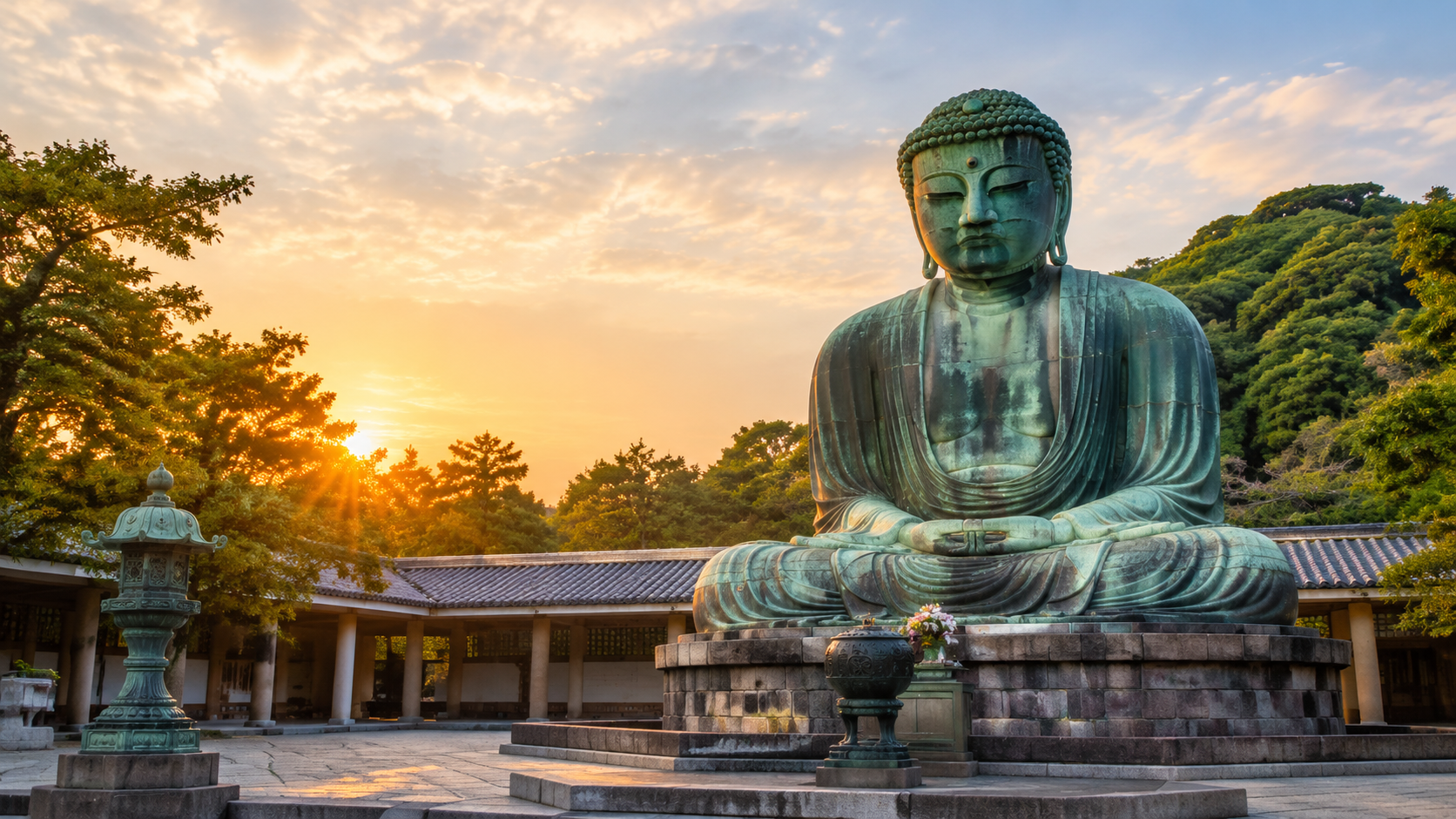
Kotoku-in (Great Buddha)
This temple houses a large outdoor bronze statue of Amida Buddha, which stands as a prominent symbol of the city. The statue is notable for remaining exposed to the elements since the 15th century.
View from the side to capture the statue's scale.
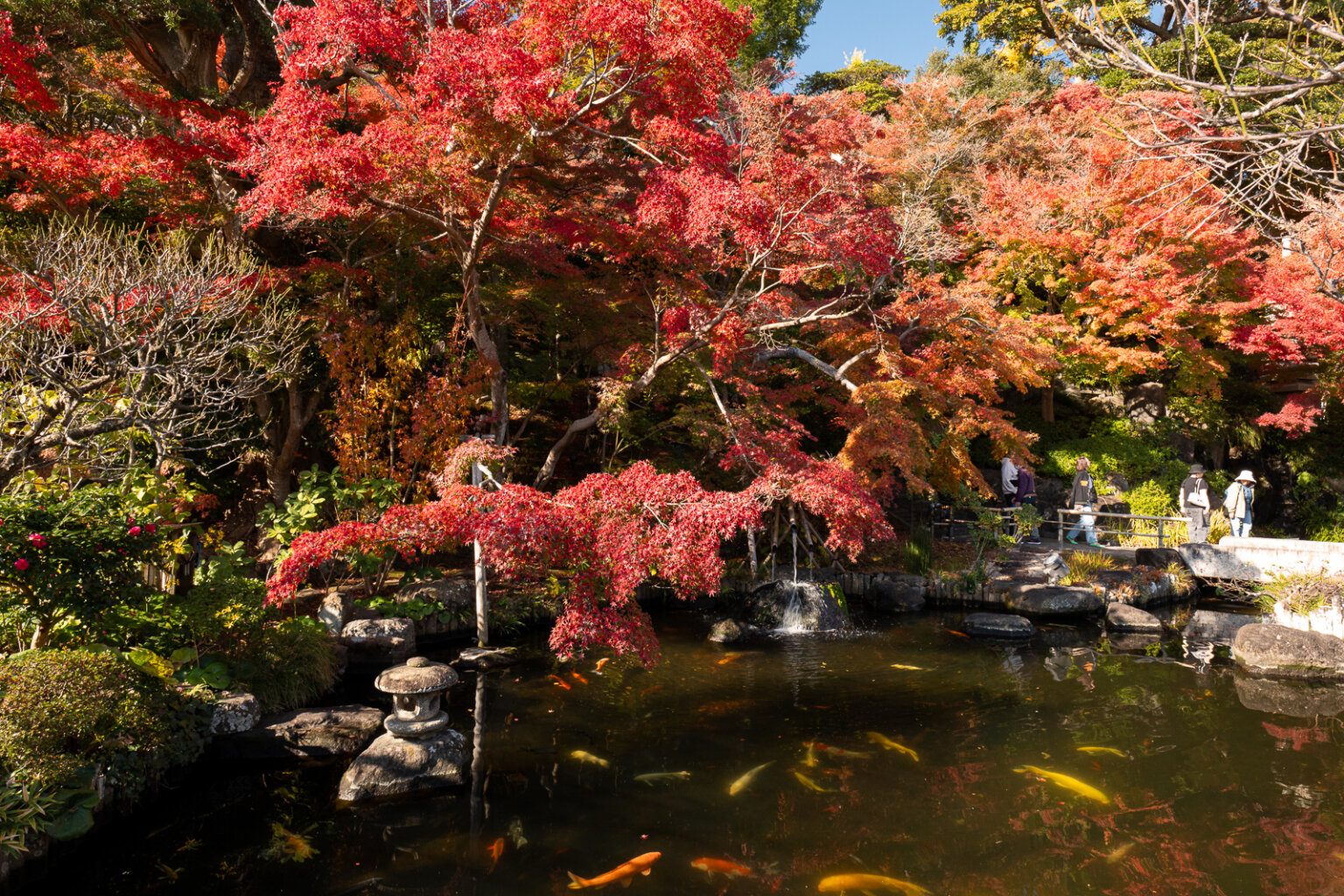
Hasedera Temple
This temple is known for its hillside gardens and the wooden statue of Kannon, the goddess of mercy. The grounds offer varied views of the coastline and the city from its upper terrace.
Visit the Jizo statues in the lower garden area.
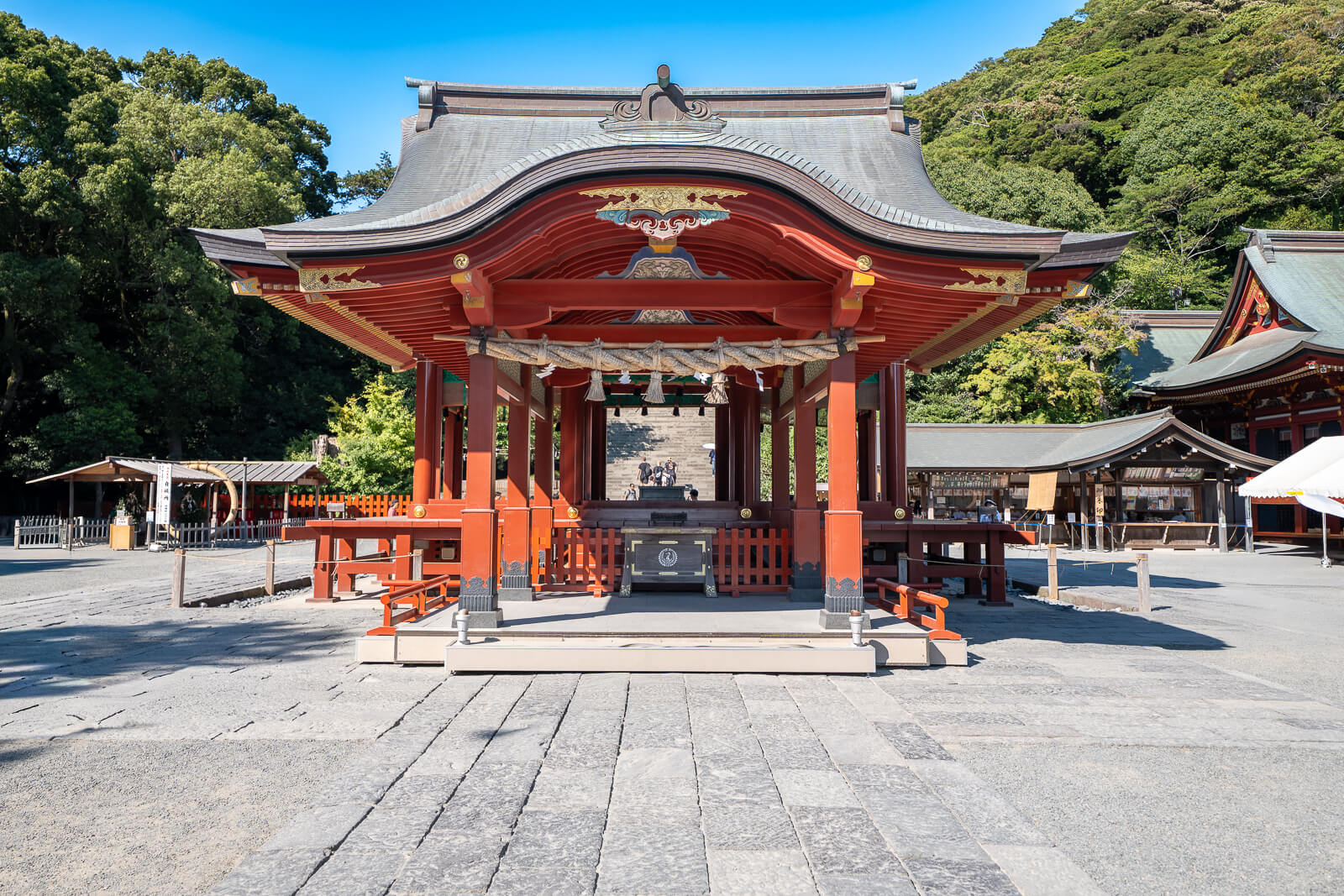
Tsurugaoka Hachimangu
As the most important Shinto shrine in the city, this complex serves as the center of local cultural life. The long approach leads visitors through multiple gates toward the main hall.
Walk the central path from the station approach.
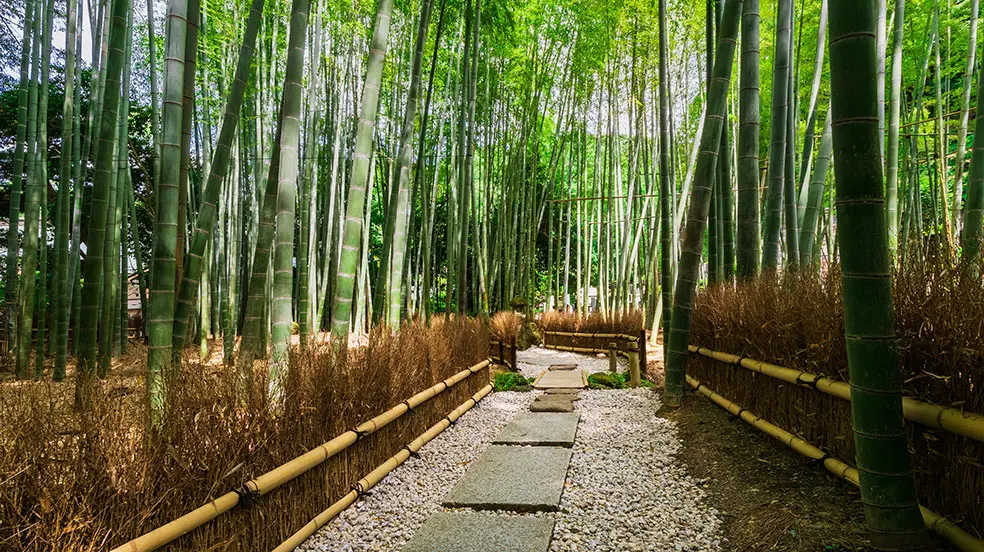
Hokokuji Temple
This site is frequently recognized for its dense bamboo grove located behind the main hall. Visitors can observe the contrast between the green stalks and the wooden temple architecture.
Visit early to experience the grove without crowds.
Operating Hours for Planning Is Kamakura Worth Visiting
Kamakura is accessible to visitors daily throughout the week. The city maintains consistent operating hours for its municipal services.
| monday | 08:30–17:00 | |
|---|---|---|
| tuesday | 08:30–17:00 | |
| wednesday | 08:30–17:00 | |
| thursday | 08:30–17:00 | |
| friday | 08:30–17:00 | |
| saturday | 08:30–17:00 | |
| sunday | 08:30–17:00 |
Entrance Fees and Cost Structure for Is Kamakura Worth Visiting
Kamakura does not charge an entrance fee for city access. Individual temples and shrines maintain their own independent admission fees.
A typical adult pays between 200 JPY and 500 JPY per major temple, with costs depending solely on the number of sites selected.
Logistics: How to Arrive When Deciding Is Kamakura Worth Visiting
Kamakura is located in Kanagawa Prefecture and is primarily accessed from Tokyo via direct rail lines. Most visitors arrive at Kamakura Station, which serves as the central hub for local transport.
JR Yokosuka Line from Tokyo Station to Kamakura Station
JR Shonan-Shinjuku Line from Shinjuku Station to Kamakura Station
Enoden Line from Kamakura Station to various coastal stops
Check availability
Frequently Asked Questions About Is Kamakura Worth Visiting
Everything you need to know about is kamakura worth visiting