
Quick answer
The JR Yokosuka Line runs direct from Tokyo Station to Kamakura in 57 minutes, departing every 10-15 minutes throughout the day. The Shonan-Shinjuku Line offers an alternative from Shinjuku and Shibuya, reaching Kamakura in roughly 60 minutes. Both routes accept IC cards and JR Pass holders ride free.
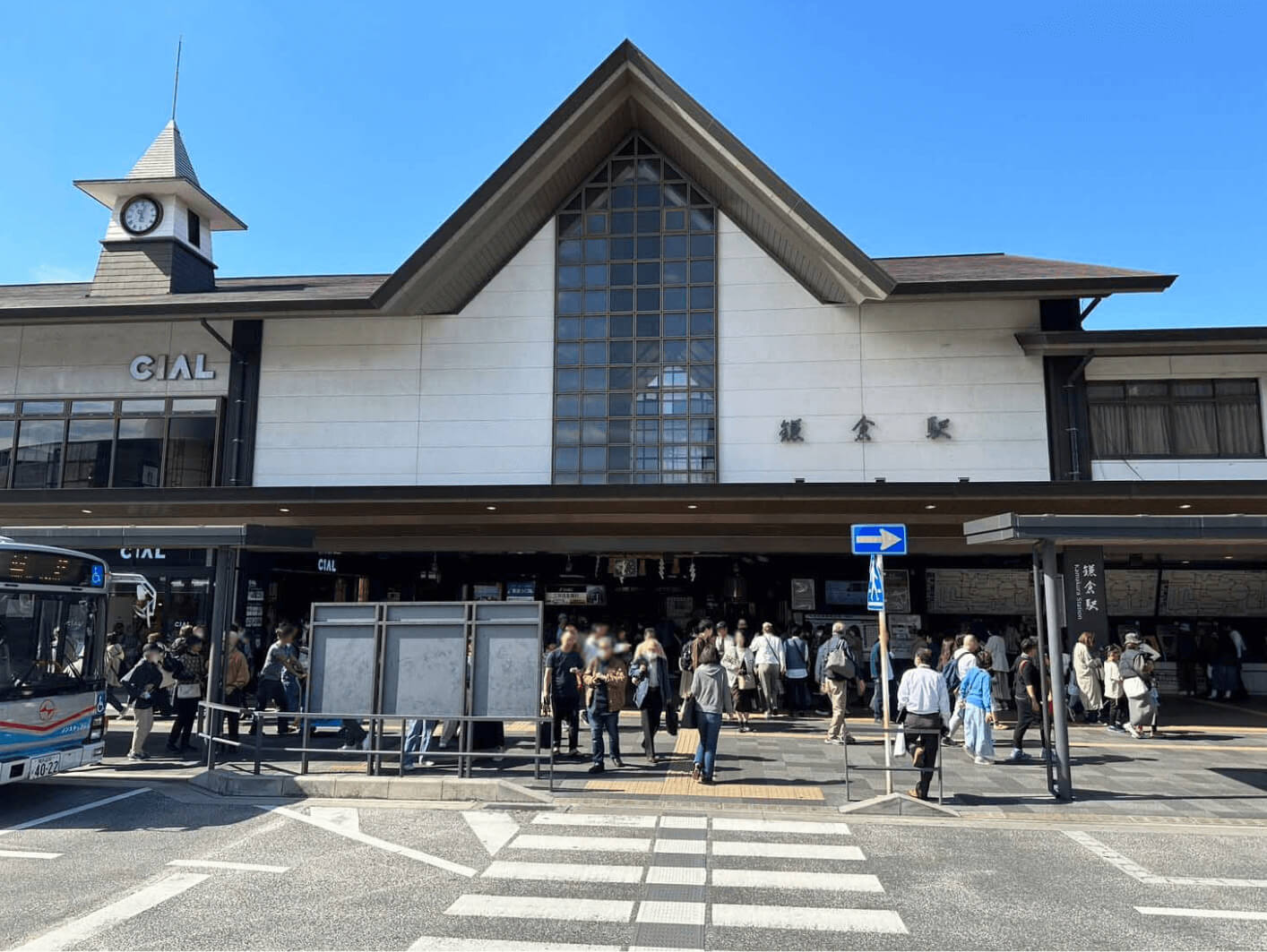
Kamakura's rail link to Tokyo dates to 1889, when the Tokaido Line first connected the coastal town to the capital's expanding network. Today, two JR corridors make the coastal city one of the most accessible day trips from central Tokyo, with departures running from early morning until past midnight. The Yokosuka Line anchors the route, threading through Tokyo, Shinagawa, and Yokohama before descending the Shonan coast. Trains depart Tokyo Station from the underground Yokosuka/Sobu platform—track numbers 1 through 4—and the journey unfolds in under an hour, with no transfers required. The Shonan-Shinjuku Line mirrors this route from the west, originating at Shinjuku and Shibuya, then merging with Yokosuka Line tracks south of Yokohama. Both lines share the final approach into Kamakura Station, a compact two-platform terminal framed by wooded hills. Fares hover around 920 yen one-way from Tokyo Station, with slight variations depending on your departure point. IC cards like Suica and PASMO simplify the process—tap at the gate, ride, tap out—and JR Pass holders board without additional cost. Weekend crowds peak between 9:00 and 11:00, when temple-bound tourists and surfers converge on the coastal platform. Midweek mornings and late afternoons offer emptier carriages and guaranteed seating. Kamakura Station's East Exit leads directly to Komachi-dori, the pedestrian shopping street that funnels visitors toward Tsurugaoka Hachimangu Shrine. The West Exit, less trafficked, opens onto quieter residential blocks and serves as the starting point for routes to Hase-dera and the Great Buddha. Coin lockers line both exits, though they fill quickly on Saturdays and public holidays. The how to get to Kamakura from Tokyo question resolves into a choice of departure station and a glance at the timetable—the trains themselves handle the rest.
“The Yokosuka Line has connected Kamakura to Tokyo since 1889, turning a seaside retreat into an hour's ride from the capital.”
How to Get to Kamakura From Tokyo via Public Transport
Kamakura is located in Kanagawa Prefecture and is most efficiently accessed via direct train services from central Tokyo. Travelers can choose between major hubs like Tokyo Station or Shinjuku Station depending on their starting point.
JR Yokosuka Line from Tokyo Station to Kamakura Station
Odakyu Line from Shinjuku Station to Fujisawa Station, then Enoden line to Kamakura
JR Shonan-Shinjuku Line from Shinjuku Station to Kamakura Station
Best Time of Day to Travel to Kamakura From Tokyo
The best arrival window for visiting Kamakura from Tokyo is 08:00–10:00. Arriving during this period allows you to explore popular temples and stations before the peak daily traffic increases.
Spring (March–May)
High crowd density during Golden WeekMild temperatures ranging from 12°C to 22°C
Cherry blossoms attract many visitors to local temple grounds.
Summer (June–August)
Moderate to high levelsWarm and humid, often 25°C to 30°C
Hydrangeas bloom in June, drawing significant foot traffic to narrow paths.
Autumn (September–November)
Moderate levelsCooler air with temperatures between 15°C and 23°C
Autumn foliage brings a steady stream of visitors throughout November.
Weekday mornings
Low to moderate—
Visiting on weekdays before 10:00 provides the most space for navigating transit and cultural sites.
Verdict: For the most manageable experience, aim for a Tuesday to Thursday arrival between 08:00–10:00 during the months of April or October.
Pricing and Fees: How to Get to Kamakura From Tokyo Affordably
There is no general entrance fee for city access in Kamakura, as costs primarily depend on your chosen rail transport method. Visitors pay only for the public transport utilized to reach and navigate the area.
A typical adult pays only the standard rail fare, which varies based on the specific route and departure point chosen from Tokyo.
Operational Hours for How to Get to Kamakura From Tokyo
Kamakura is accessible at all times, as the city itself remains open to visitors daily throughout the year. Please note that individual temples and attractions maintain their own specific operating hours separate from general city access.
| Monday | 00:00–23:59 | |
|---|---|---|
| Tuesday | 00:00–23:59 | |
| Wednesday | 00:00–23:59 | |
| Thursday | 00:00–23:59 | |
| Friday | 00:00–23:59 | |
| Saturday | 00:00–23:59 | |
| Sunday | 00:00–23:59 |
Sample Itinerary: How to Get to Kamakura From Tokyo and Spend Your Day
This plan suits first-time visitors aiming to cover Kamakura's main temple zones in a single day. Total duration: approximately 8 hours from Tokyo departure to return.
Arrive and Head to Kita-Kamakura
Reach Kamakura Station early, then walk or take the local train one stop north to Kita-Kamakura. Start with Engaku-ji and Kencho-ji temples in the peaceful morning hours before crowds build.
Explore Central Kamakura Temples
Walk south toward Tsurugaoka Hachimangu Shrine via the hillside trail or main road. Allow time to wander Komachi-dori street for a quick snack or early lunch near the shrine precinct.
Hase and the Great Buddha
Take the Enoden line west to Hase Station. Visit Kotoku-in to see the Great Buddha, then walk to Hase-dera Temple for coastal views and the hillside gardens.
Seaside Break and Return Prep
Stroll to Yuigahama or Kamakura Koko-mae beach for a short rest by the water. Catch the Enoden back to Kamakura Station, leaving buffer time for the return journey to Tokyo.
Depart Kamakura
Board your return train to Tokyo. Evening departures are less crowded than midday services, and you'll avoid the rush-hour peak on most lines.
Check availability
Common questions on how to get to Kamakura from Tokyo
Everything you need to know about how to get to kamakura from tokyo