
Quick answer
A kamakura day trip from tokyo guide requires an early departure on the JR Yokosuka Line from Tokyo or Shinagawa Station, arriving around 8 AM when temple gates open and crowds remain thin. The 300 yen entrance fee at Kotoku-in—home to the Great Buddha—anchors the route, with Hasedera Temple, Tsurugaoka Hachimangu Shrine, and Hokokuji's bamboo grove within walking or short transit connections. Return via the Enoden coastal tram to Enoshima for sunset views, completing the circuit by early evening.
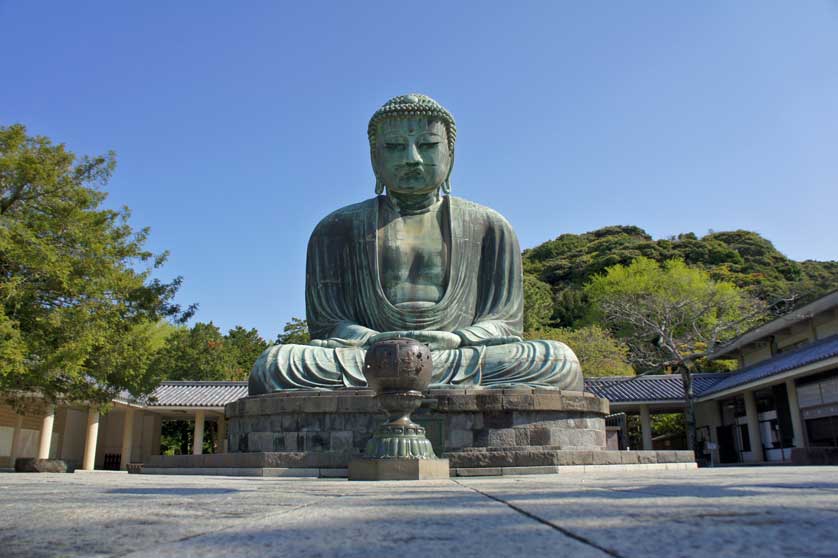
The Great Buddha at Kotoku-in has sat in the open air since a tsunami destroyed its temple hall in 1498. Rain, salt wind, and five centuries of exposure turned the bronze surface a mottled green, but the 13.35-meter figure remains upright, cross-legged, and remarkably intact. The statue defines Kamakura for most visitors, yet the broader day trip from Tokyo hinges on understanding how the temple district spreads across three kilometers of hilly terrain and how the local rail network stitches it together. Kamakura served as Japan's military capital from 1185 to 1333, and the concentration of Zen temples, Shinto shrines, and samurai-era infrastructure reflects that political density. Tsurugaoka Hachimangu occupies the geographic center, with Hokokuji's bamboo garden to the east and Hasedera's observation terrace to the west. The Enoden tram—a single-car streetcar—runs along the coast from Kamakura Station to Enoshima, stopping at Hase Station for Kotoku-in and the Great Buddha. Most itineraries anchor the morning at the bronze statue, work inland to the main shrine complex, then return westward by tram for coastal views before heading back to Tokyo. The JR Yokosuka Line departs Tokyo Station every fifteen minutes during morning hours, reaching Kamakura in fifty-five minutes without transfers. The Shonan-Shinjuku Line offers a parallel route from Shinjuku, taking sixty-five minutes. Both lines accept the JR Pass and Suica cards, eliminating the need for separate tickets. Crowds peak between 10 AM and 2 PM, particularly on weekends and during cherry blossom or autumn foliage windows. Arriving by 8 AM—when Kotoku-in opens—means photographing the Great Buddha without tour groups and securing a position on the Enoden tram before midday congestion. The temple circuit demands four to five hours of walking, with an additional hour for the coastal Enoden ride to Enoshima. Lunch options cluster near Komachi-dori, the shopping street that runs from Kamakura Station to Tsurugaoka Hachimangu, where shirasu-don—rice topped with whitebait—appears on most menus. The route loops naturally: train in from Tokyo, Buddha and coastal temples first, inland shrines midday, return tram by late afternoon, and departure from Kamakura Station by 5 PM. The system works because the sites align geographically and the local transit runs frequently enough to eliminate fixed schedules.
“The Great Buddha has sat in the open air since a tsunami destroyed its temple hall in 1498, five centuries of exposure turning the bronze surface a mottled green.”
Best Time to Arrive for Your Kamakura Day Trip From Tokyo Guide
The best arrival window for your Kamakura day trip from Tokyo is 08:00–10:00. Arriving early allows you to explore key sites before peak crowds gather, ensuring a more efficient experience.
Weekday mornings
Minimal crowds—
Visiting on a weekday provides the most tranquil atmosphere for sightseeing.
Spring (March–May)
High demand for cherry blossomsMild, 15°C to 22°C
Temperate weather makes this a popular season for walking tours.
Autumn (October–November)
Moderate to highCool, 14°C to 20°C
Clear skies and autumn foliage create favorable conditions for outdoor exploration.
Summer (June–August)
Very high crowdsHot and humid, 25°C to 32°C
High humidity and large crowds during the Hydrangea season require early starts.
Verdict: The optimal time to visit is Tuesday to Thursday between 08:00–10:00 during the months of April or October.
Opening Hours for Your Kamakura Day Trip From Tokyo Guide
The site remains open daily with consistent hours throughout the week to accommodate your itinerary planning.
| Monday | 08:00–17:30 | |
|---|---|---|
| Tuesday | 08:00–17:30 | |
| Wednesday | 08:00–17:30 | |
| Thursday | 08:00–17:30 | |
| Friday | 08:00–17:30 | |
| Saturday | 08:00–17:30 | |
| Sunday | 08:00–17:30 |
Transportation Routes for Your Kamakura Day Trip From Tokyo Guide
Kamakura is located in Kanagawa Prefecture and is most accessible via direct train lines departing from major hubs in central Tokyo. The primary approach involves taking regional rail lines to Kamakura Station before transferring to local transport to reach specific sites.
JR Yokosuka Line from Tokyo Station to Kamakura Station
JR Shonan-Shinjuku Line from Shinjuku Station to Kamakura Station
Enoshima Electric Railway (Enoden) from Kamakura Station to Hase Station
Hase Station to Kotoku-in
Recommended Itinerary for Your Kamakura Day Trip From Tokyo Guide
This itinerary suits first-time visitors aiming to see Kamakura's highlights in a single day. Plan for roughly 8–10 hours from Tokyo station to station.
Arrive at Kotoku-in Temple
Start your day at the Great Buddha (Daibutsu) before crowds gather. Spend 45 minutes exploring the grounds and viewing the statue from different angles.
Walk to Hasedera Temple
A 10-minute walk brings you to Hasedera, known for its gilded Kannon statue and hillside gardens. Allow 60–90 minutes to see the main hall, cave shrines, and ocean views.
Lunch in Hase District
Choose from local restaurants near Hase Station serving shirasu-don (whitebait rice bowls) and other Kamakura specialties. Budget 45–60 minutes.
Tsurugaoka Hachimangu Shrine
Take the Enoden line to Kamakura Station, then walk 10 minutes to the city's main Shinto shrine. Explore the grounds, pond gardens, and approach lined with shops for 60 minutes.
Komachi-dori Shopping Street
Walk back through this pedestrian street parallel to the shrine approach. Browse for snacks, souvenirs, and local crafts; allow 45 minutes.
Hokokuji Bamboo Temple
Take a bus or taxi to this temple east of the city center (20 minutes). Walk through the bamboo grove and rest at the tea pavilion. Spend 60 minutes here before heading back.
Return to Tokyo
Head to Kamakura Station for your return train, arriving in Tokyo by early evening.
Nearby Sights for Your Kamakura Day Trip From Tokyo Guide
Complement your visit by exploring these cultural and coastal sites, all located within a short distance of the area's main attractions. These locations provide a balanced perspective on Kamakura's religious history and natural coastal scenery.
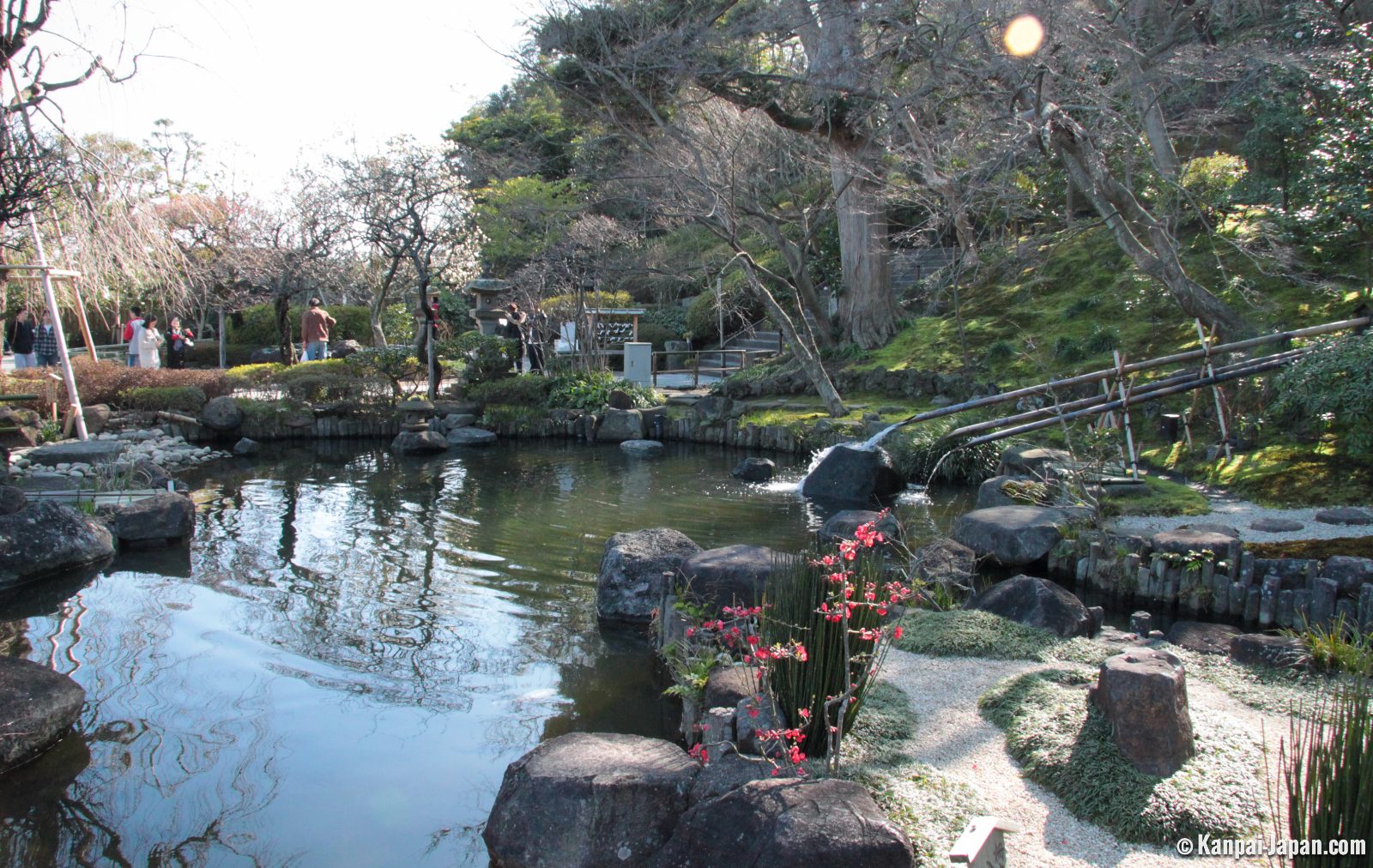
Hase-dera Temple
This temple is known for its hillside gardens and views of the coastline, making it a natural stop before or after your main visit.
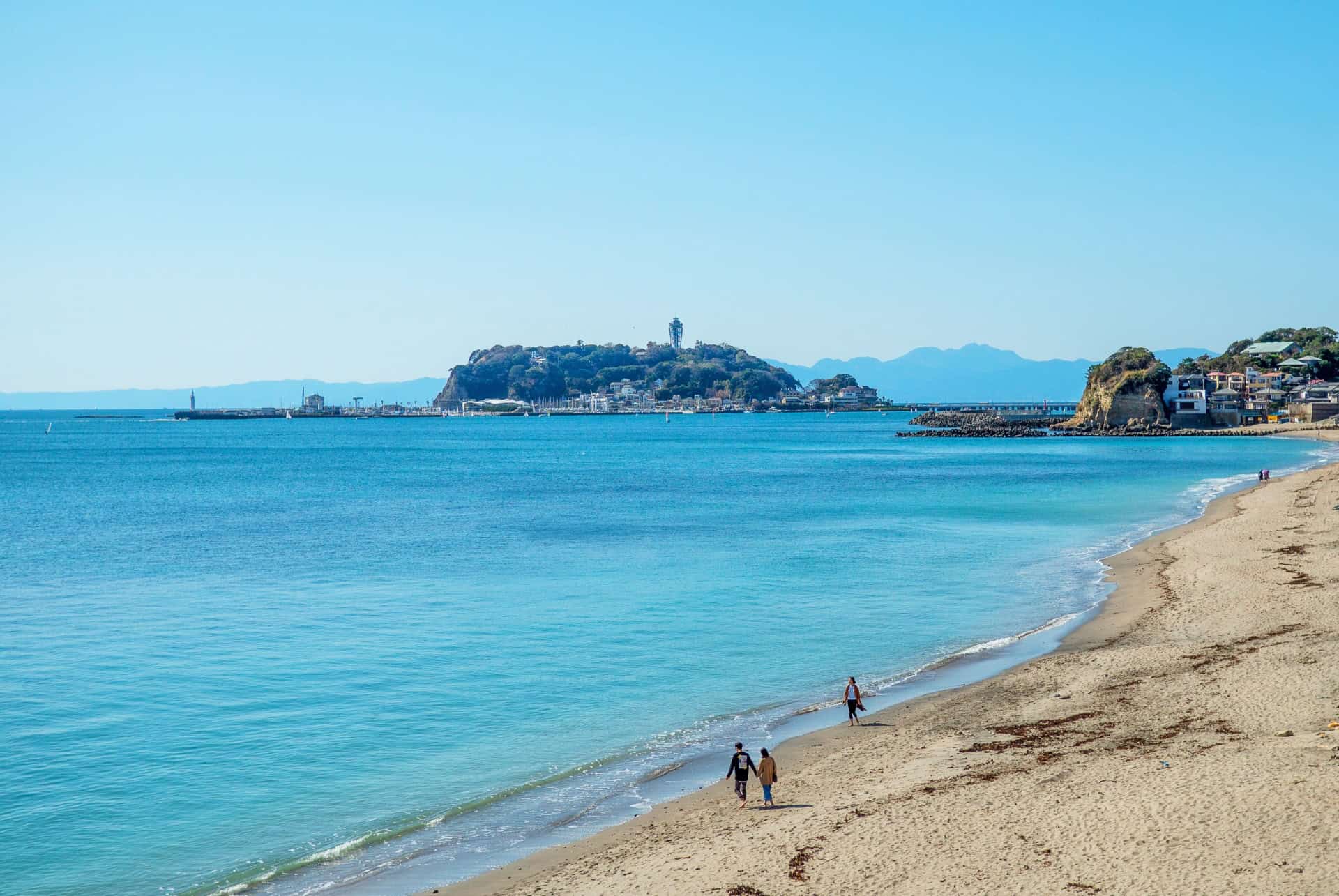
Yuigahama Beach
A short walk brings you to this expansive beach, offering a quiet contrast to the busy temple grounds and shrines.
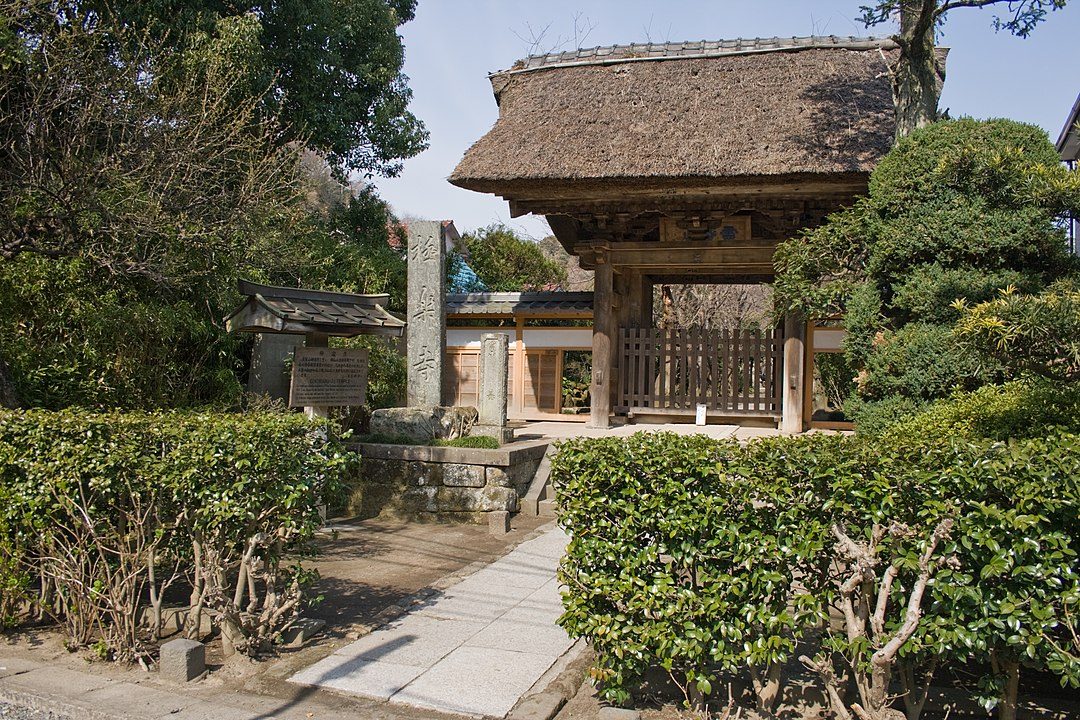
Gokuraku-ji Temple
This quiet temple is located along the Enoden line and offers a peaceful atmosphere away from the larger tourist hubs.
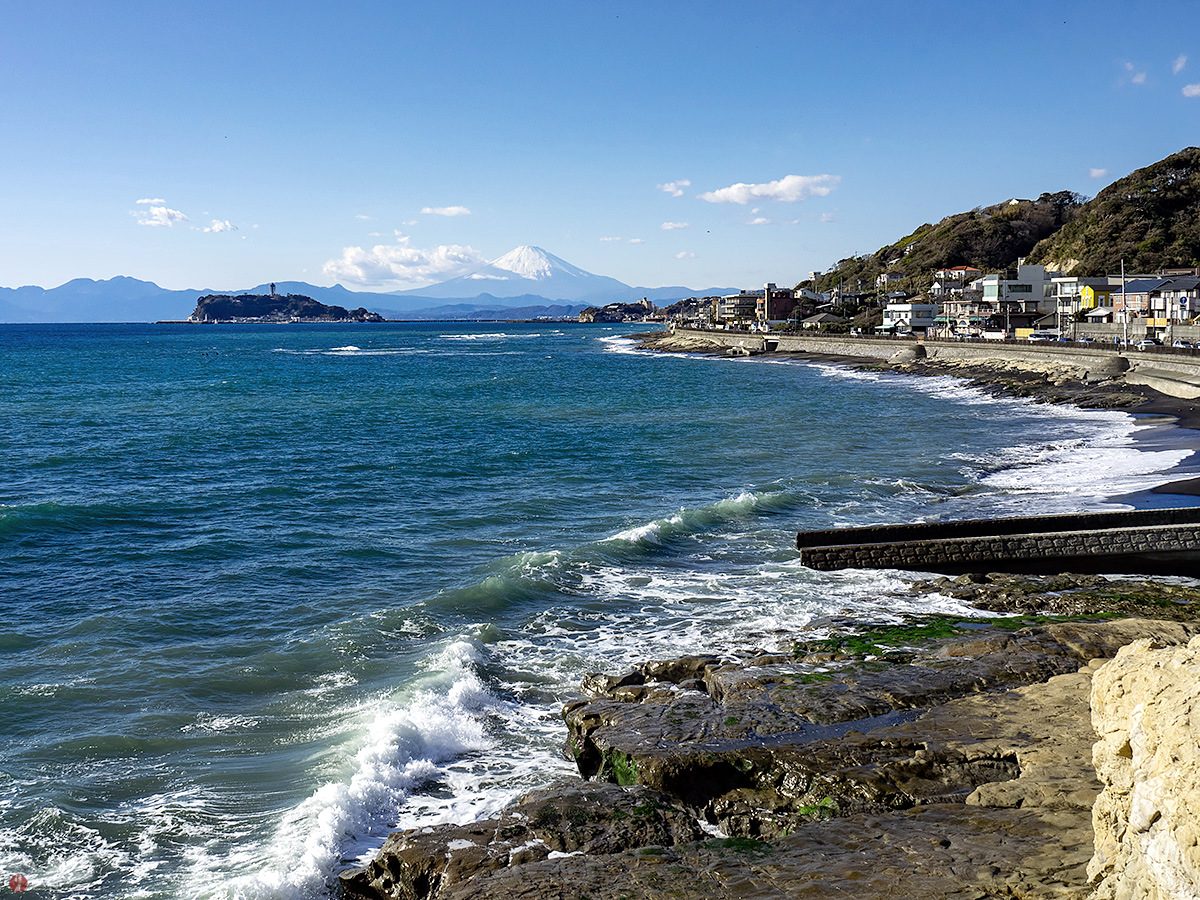
Inamuragaki Park
Located further along the coast, this park provides a vantage point for viewing the ocean and, on clear days, Mount Fuji.
Check availability
Frequently Asked Questions: Kamakura Day Trip From Tokyo
Everything you need to know about kamakura day trip from tokyo guide