

Quick answer
The JR Yokosuka Line runs direct from Tokyo Station to Kamakura in 55 minutes for 950 JPY one-way. Trains depart every 10–15 minutes during morning hours. Shinjuku and Shibuya passengers connect via the Shonan-Shinjuku Line, which reaches Kamakura in 60 minutes without transfers. Both lines use your JR Pass if you hold one.
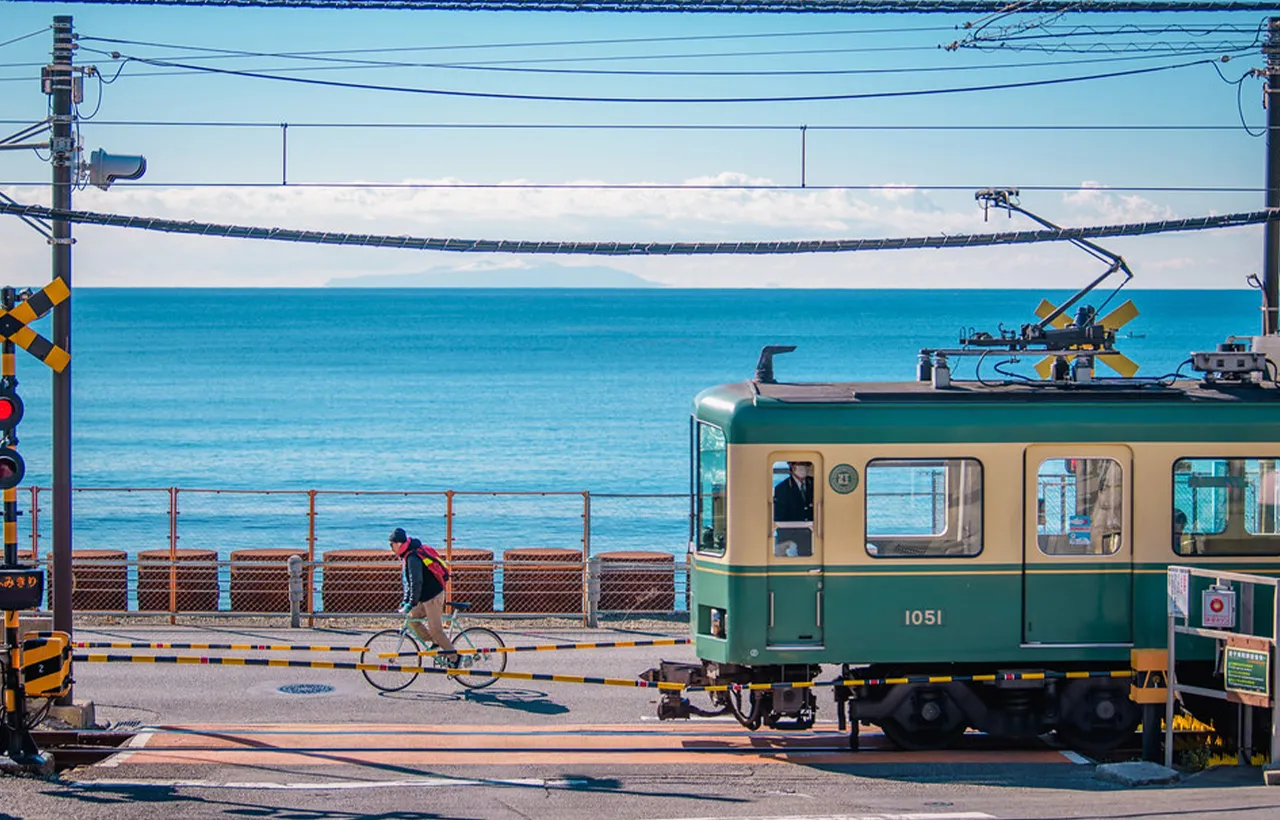
The Yokosuka Line platform at Tokyo Station sits four levels below ground, accessible via the Yaesu Underground Central Exit escalators. First-time visitors often miss the signage split between rapid and local service designations—rapid trains skip Totsuka and Ofuna but reach Kamakura at the same fare. Kamakura Station itself spans two exits: the East Exit deposits you 12 minutes on foot from Tsurugaoka Hachimangu Shrine, while the West Exit faces the Enoden tram terminal for coastal temple access. IC card holders tap through wickets without queuing for paper tickets, and the system accepts Suica, Pasmo, and contactless credit cards issued abroad. Cash ticket machines near the Marunouchi Line transfer corridor print reserved-seat vouchers for the infrequent Green Car carriages, though unreserved seating remains adequate outside national holidays. Weekend mornings see standing passengers between Yokohama and Kamakura; the 7:40 and 8:10 departures from Tokyo Station typically carry lighter loads. A kamakura day trip from tokyo by train pairs well with the Enoshima-Kamakura Freepass if your itinerary includes Hase-dera Temple and the coastal Enoden tram loop—the pass costs 1,640 JPY from Shinjuku and covers unlimited Enoden rides plus return rail fare. Without the pass, individual Yokosuka Line segments from Tokyo remain the faster choice for temple-focused visits that skip the beach towns. Platform attendants at Tokyo Station position themselves near carriage five during rush hours, the quietest section for luggage storage. Kamakura-bound trains share tracks with Zushi and Kurihama services—confirm the electronic destination board reads "Kamakura" in amber text before boarding. The final approach descends through a tunnel cut beneath the Namerigawa estuary, surfacing 200 meters from the station's heritage wooden gate.
“The Yokosuka Line platform at Tokyo Station sits four levels below ground, accessible via the Yaesu Underground Central Exit escalators.”
Navigating Your Kamakura Day Trip From Tokyo By Train
Kamakura is located in Kanagawa Prefecture, approximately 50 kilometers south of Tokyo. The most efficient way to travel is via the JR Yokosuka Line or the Odakyu Line.
JR Yokosuka Line from Tokyo Station to Kamakura Station
JR Shonan-Shinjuku Line from Shinjuku Station to Kamakura Station
Odakyu Line from Shinjuku Station to Fujisawa Station, transfer to Enoden Line
Optimal Timing For A Kamakura Day Trip From Tokyo By Train
The best arrival window is 08:00–10:00 to avoid peak mid-day tourist crowds. Visiting on weekdays allows for a more controlled pace when navigating popular sites.
Weekday mornings
Minimal—
Arrive early to avoid peak mid-day tourist crowds at major sites and navigate transport with ease.
Spring (March–May)
HighMild temperatures, 12°C–20°C
Cherry blossoms attract high volumes of visitors throughout the area.
Summer (June–August)
Very HighHumid and hot, 25°C–31°C
Hydrangea season in June leads to significant pedestrian traffic near temple paths.
Autumn (October–November)
ModerateCool and clear, 15°C–22°C
Stable weather conditions provide comfortable conditions for walking tours.
Verdict: Tuesday to Thursday, arriving between 08:00 and 10:00, during the months of April or October.
A Sample Itinerary For A Kamakura Day Trip From Tokyo By Train
This itinerary suits independent travelers arriving on a morning train from Tokyo, covering Kamakura's key historical sites in a single day. The circuit takes approximately 7–8 hours, allowing time for temples, lunch, and the return journey.
Arrive at Kamakura Station
Exit JR Kamakura Station and orient yourself using station maps. From here, most major sites are accessible by local Enoden line trains or a 20–30 minute walk.
Hase-dera Temple
Take the Enoden line three stops west to Hase Station (6 minutes). Walk uphill to Hase-dera, exploring its cave shrines and hillside gardens—budget 60–90 minutes.
Great Buddha at Kōtoku-in
Walk 7 minutes northeast along Route 32 to Kōtoku-in. The bronze Daibutsu statue is the main draw; the grounds are compact, so 30–40 minutes is enough.
Lunch in Hase
Return toward Hase Station and choose from the cluster of soba shops and cafés lining the approach streets. A seated meal typically takes 45–60 minutes.
Tsurugaoka Hachimangū Shrine
Board the Enoden back to Kamakura Station (10 minutes), then walk 10 minutes north up Komachi-dōri shopping street to the shrine. Explore the main hall, ponds, and surrounding precincts for about an hour.
Komachi-dōri Shopping Street
Walk back down the pedestrian lane, browsing local crafts, sweets, and tea shops. This is your chance to pick up omiyage before heading home.
Depart Kamakura Station
Board a JR Yokosuka or Shonan-Shinjuku line train back to Tokyo. Evening services run frequently, and the journey takes roughly one hour.
Nearby Sights To Include In A Kamakura Day Trip From Tokyo By Train
Kamakura offers several sites within comfortable walking or short transit distance from the main train stations, allowing for a logical progression through the city's historical districts. These locations complement the primary visit by highlighting the area's diverse religious architecture and coastal environment.
Hase-dera Temple
This temple is located a short distance from the Great Buddha and features extensive gardens and views of the coastline. It serves as a natural extension to a temple-focused itinerary.
Tsurugaoka Hachimangu Shrine
As the most significant Shinto shrine in the city, this site is easily accessed from the main station via the Komachi-dori shopping street. Its central location makes it a common starting or ending point for day trips.
Komachi-dori Street
This thoroughfare connects the station to Tsurugaoka Hachimangu and provides access to local food and craft shops. It is a practical stop for travelers navigating between transport hubs and major cultural landmarks.
Inamuragasaki Park
Located along the Enoden line, this park offers a panoramic view of Sagami Bay and Mount Fuji on clear days. It is a suitable destination for those looking to experience the coastal scenery after exploring the inland shrines.
Check availability
Frequently Asked Questions About a Kamakura Day Trip
Everything you need to know about kamakura day trip from tokyo by train