

Quick answer
A well-structured Kamakura day trip from Tokyo begins with the 08:00–10:00 arrival window to visit major temples before midday crowds. The JR Yokosuka Line runs direct from Tokyo Station to Kamakura Station in 56 minutes. Focus on the Hase-Kotoku-in cluster in the morning, the Tsurugaoka Hachimangu shrine complex before lunch, and the Kita-Kamakura Zen temples on the return journey. Budget 300 JPY for Great Buddha entry and plan your last temple visit by 16:30 to catch evening trains back.
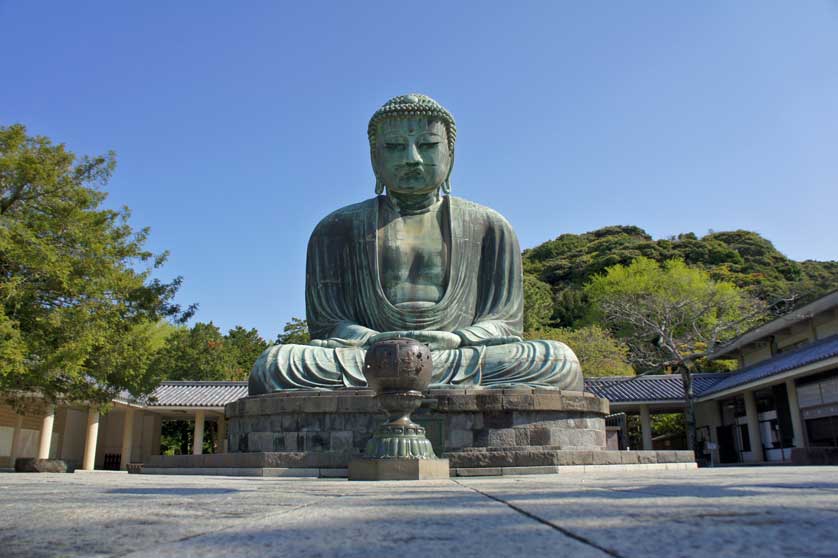
The Great Buddha at Kotoku-in temple weighs 121 tonnes and has sat exposed to coastal weather since a tsunami destroyed its hall in 1498. That single bronze figure anchors most Tokyo visitors' mental image of Kamakura, but the city's temple density rewards a methodical route. To plan a day trip to Kamakura from Tokyo effectively, work backwards from temple closing times and forward from train frequencies. The JR Yokosuka Line departs Tokyo Station every 15 minutes during morning hours. Arriving by 09:00 positions you at Hase Station ahead of tour buses. Walk the Hase-Kotoku-in loop first—the Great Buddha, Hasedera Temple's hillside grounds, and the beachfront approach all sit within 20 minutes' walking radius. Entry to Kotoku-in costs 300 JPY; the interior climb adds 50 JPY. Most visitors skip the interior. Midday heat and school groups concentrate between 11:30 and 14:00. Use that window for Komachi-dori's covered shopping street or an early lunch near Kamakura Station. The afternoon favors quieter sites: Tsurugaoka Hachimangu's broad grounds absorb crowds, and Kita-Kamakura's Zen temples—Engaku-ji, Kencho-ji—offer forested walks between halls. The Daibutsu Hiking Trail connects Kotoku-in to Kita-Kamakura for confident walkers with time. Kamakura's layout follows the 13th-century street grid, with temples radiating from the former shogunate center. Distances are walkable, but the Enoden tram line parallels the coast and simplifies the Hase district. Day visitors often misjudge the walking between clusters; account for 10-12 minutes station-to-temple and longer if navigating side streets. Return trains to Tokyo fill after 17:00 on weekends—board by 16:30 for seating. Seasonal variables matter less here than arrival discipline. Cherry blossoms and autumn foliage draw additional weekend visitors in late March and mid-November, but the 08:00 window still beats the rush. The coastal position moderates summer heat slightly; carry water regardless. Most temple offices close ticket sales 30 minutes before posted hours. Kamakura rewards the visitor who treats it as a sequence of circuits, not a checklist.
“The Great Buddha has sat exposed to coastal weather since a tsunami destroyed its hall in 1498.”
How to Plan a Day Trip to Kamakura From Tokyo: A Practical Itinerary
This itinerary suits travelers seeking a manageable day trip from Tokyo with time to explore Kamakura's temples, shrines, and coastal atmosphere. Plan for 8–9 hours total, including rail travel.
Depart Tokyo for Kamakura
Board a JR Yokosuka Line train from Tokyo or Shinjuku Station; the journey takes 50–60 minutes. Aim to arrive at Kamakura Station by 09:00.
Explore Tsurugaoka Hachimangū
Walk 10 minutes from Kamakura Station to this historic shrine complex. Spend 45 minutes wandering the grounds and main hall before heading toward Hase.
Visit Hase-dera Temple
Take the Enoden local train (10 minutes) to Hase Station, then walk 5 minutes uphill. The temple's gardens and Kannon hall merit 60–75 minutes.
See the Great Buddha at Kōtoku-in
Walk 7 minutes from Hase-dera to reach the iconic bronze statue. Budget 30–40 minutes to view the exterior and queue for the interior if desired.
Lunch in Hase or Komachi-dōri
Return to Kamakura Station via Enoden and explore Komachi-dōri's cafés and shops, or stay in Hase for seaside dining. Allow 60–90 minutes.
Zeniarai Benzaiten Shrine
Walk or taxi 20 minutes west of Kamakura Station to this cave shrine where locals wash coins for prosperity. Spend 30 minutes exploring.
Return to Tokyo
Head back to Kamakura Station for a late-afternoon train, arriving in Tokyo by 17:00–17:30.
The Best Time to Plan a Day Trip to Kamakura From Tokyo
The best arrival window for your Kamakura day trip is 08:00–10:00 to avoid heavy crowds from Tokyo and school excursion groups. Arriving within this time frame ensures a quieter experience before peak visitor density occurs.
Weekday mornings
Minimal—
Arrive early to navigate temple grounds with fewer visitors. This window offers the most space for exploring sites comfortably.
Spring (April-May)
HighMild, 15–22°C
Cherry blossoms attract large crowds, especially on weekends. Plan for significant congestion near major train stations and temples.
Summer (June-August)
ModerateHumid, 25–30°C
Hydrangea season in June brings many visitors to local shrines. Weekday mornings remain the most manageable time to visit.
Autumn (October-November)
ModerateCool, 15–20°C
Clear weather makes this a popular time for sightseeing. Aim for an early start to mitigate the impact of midday tourist traffic.
Verdict: The optimal time to visit is a weekday morning between 08:00–10:00 during the months of April or October.
Getting There: How to Plan a Day Trip to Kamakura From Tokyo
Kamakura is located in Kanagawa Prefecture, south of Tokyo, and is most efficiently accessed via direct rail connections. The primary approach involves taking major JR lines to Kamakura Station before transferring to local transport for coastal sightseeing.
JR Yokosuka Line from Tokyo Station to Kamakura Station
JR Shonan-Shinjuku Line from Shinjuku Station to Kamakura Station
Enoden Line from Kamakura Station to Hase Station
Walk from Hase Station to Kotoku-in
Admission Fees When You Plan a Day Trip to Kamakura From Tokyo
Admission fees for Kamakura sites primarily consist of general entrance charges for adults, with occasional small additional fees for interior access or special exhibits.
A typical adult pays 300 JPY for general temple admission, with an optional 50 JPY fee to enter the interior of the Great Buddha.
Opening Hours to Know When You Plan a Day Trip to Kamakura From Tokyo
Kotoku-in is open daily throughout the week, including weekends and public holidays, to accommodate visitors traveling from Tokyo.
| Monday | 08:00–17:30 | |
|---|---|---|
| Tuesday | 08:00–17:30 | |
| Wednesday | 08:00–17:30 | |
| Thursday | 08:00–17:30 | |
| Friday | 08:00–17:30 | |
| Saturday | 08:00–17:30 | |
| Sunday | 08:00–17:30 |
Exploring Beyond the Core When You Plan a Day Trip to Kamakura From Tokyo
Complement your visit by combining the Great Buddha at Kotoku-in with nearby sites that feature coastal views or historic gardens. These locations are easily accessible via the Enoden line or short walks, allowing for a balanced itinerary.
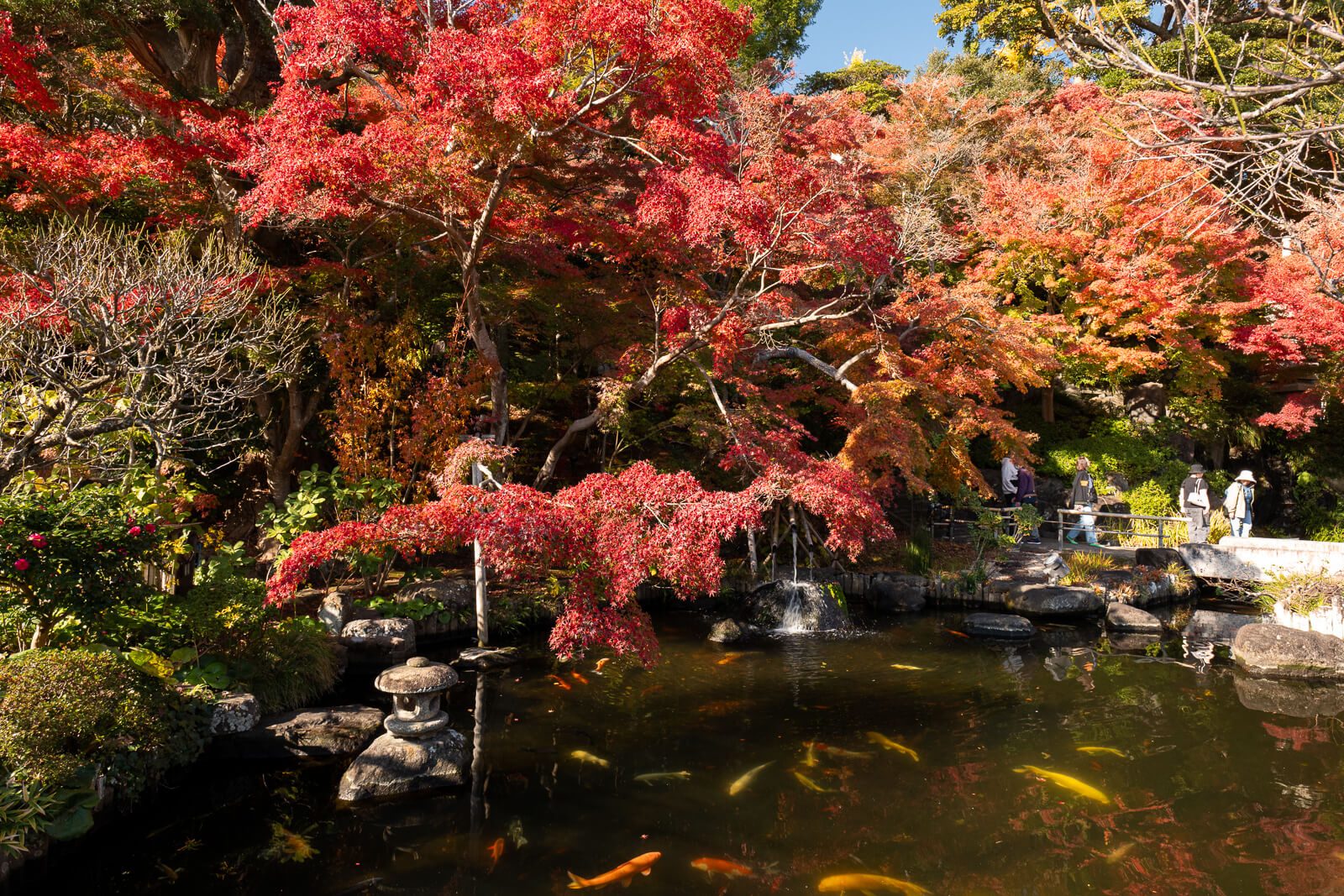
Hase-dera
This temple is known for its hillside gardens and views of the coastline, making it a natural follow-up to Kotoku-in. It provides a contrast to the metal statue with seasonal flowers and walking paths.
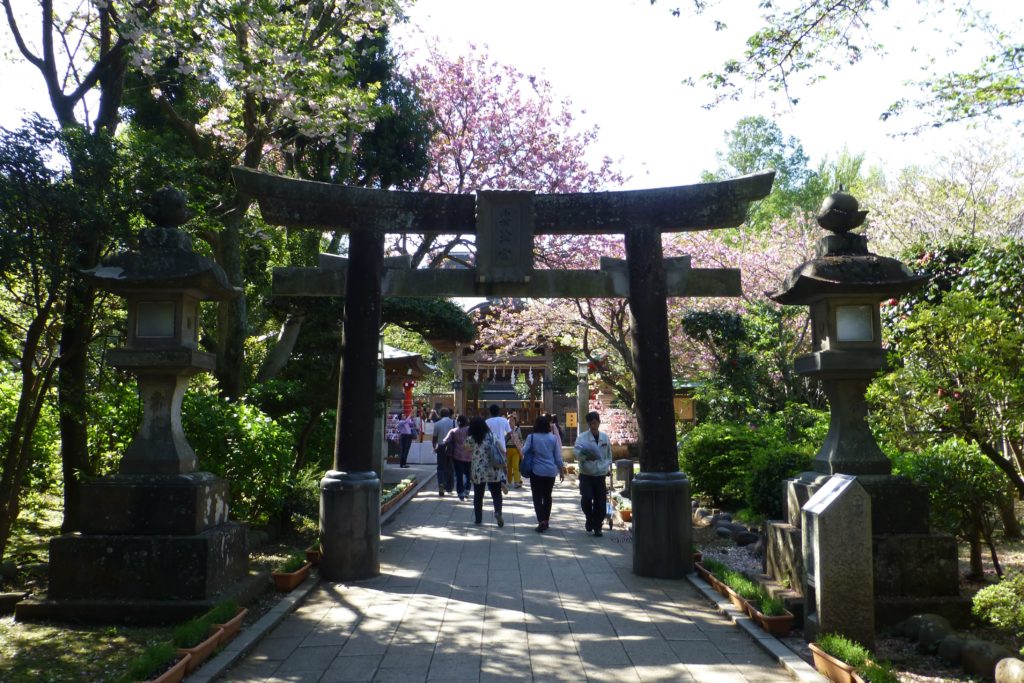
Enoshima Island
An island accessible by rail that features shrines, a park, and panoramic ocean vistas. It serves as an extension for those looking to see the Sagami Bay area after exploring Kamakura temples.
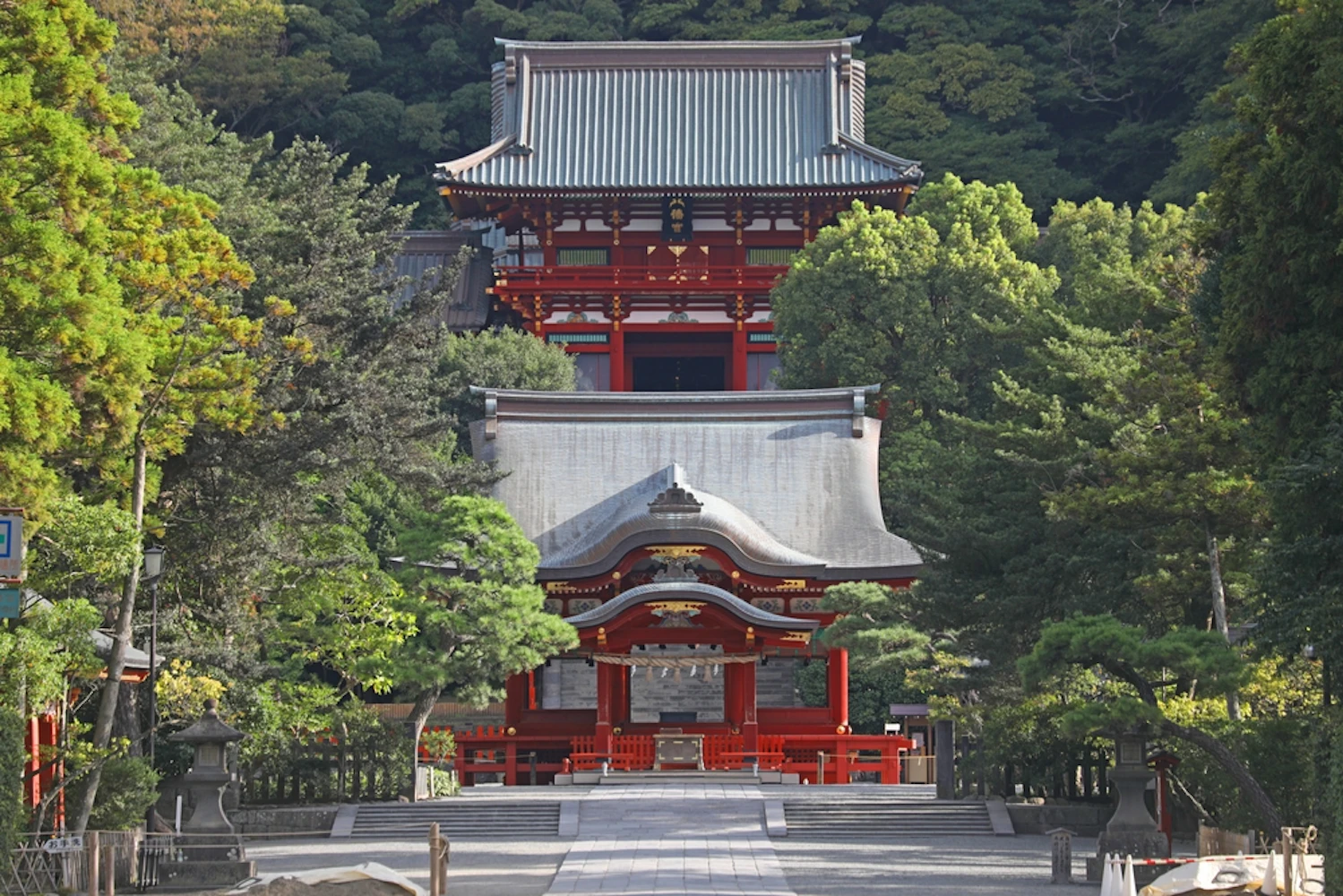
Tsurugaoka Hachimangu
As the most significant Shinto shrine in the city, this site marks the cultural center of Kamakura. It pairs well for visitors who want to contrast the Buddhist atmosphere of the Hase area with historical Shinto architecture.
Check availability
Common Questions When You Plan a Day Trip to Kamakura From Tokyo
Everything you need to know about plan a day trip to kamakura from tokyo